Historical and contemporary aspects of my beautiful island home. The landscape, the flora and fauna and my family will be among the treasures found in in these pages.
Sunday, May 07, 2006
House in Patrick's Cove

Saturday, May 06, 2006
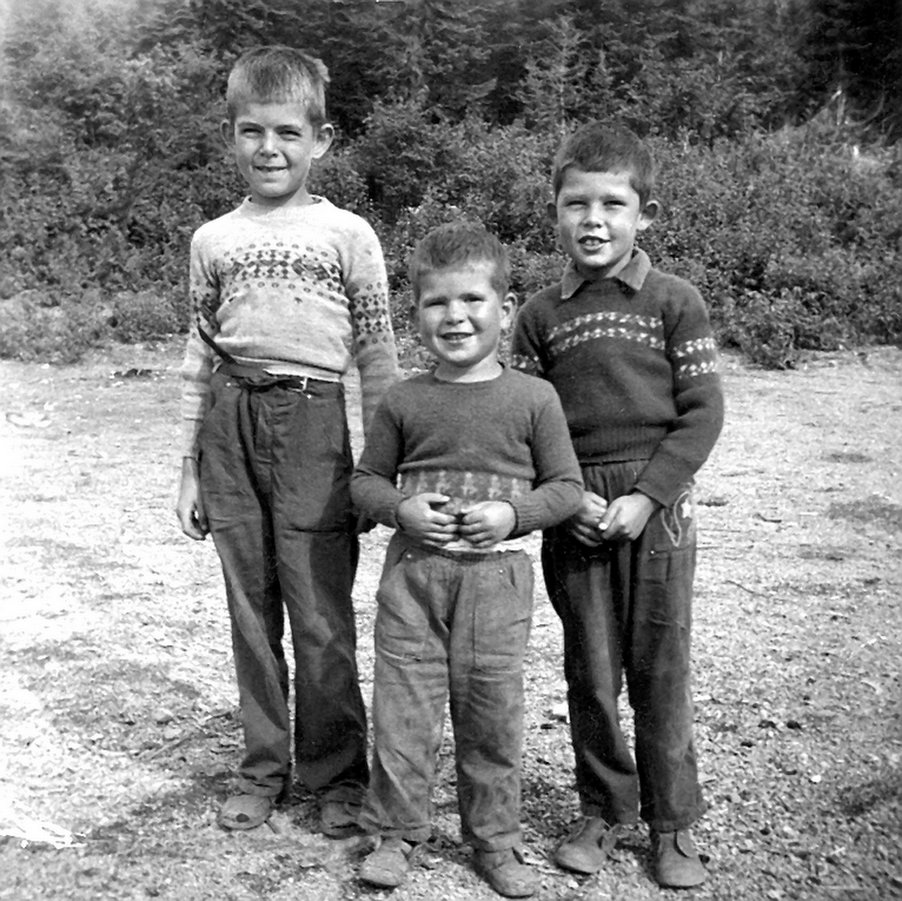
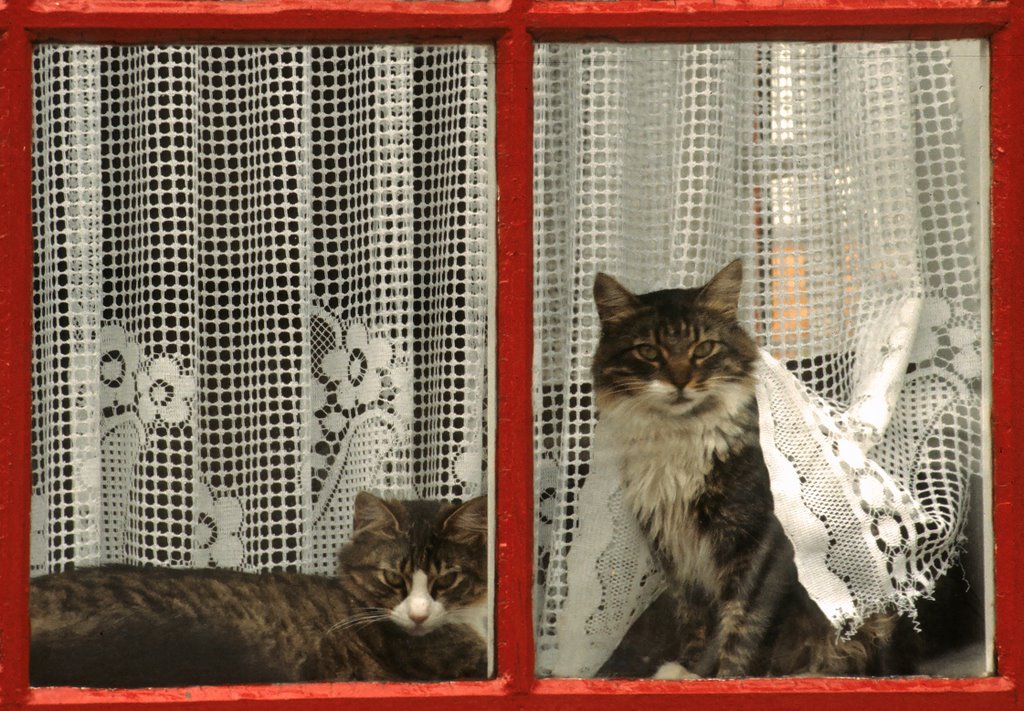
The Three Amigos
Thursday, May 04, 2006
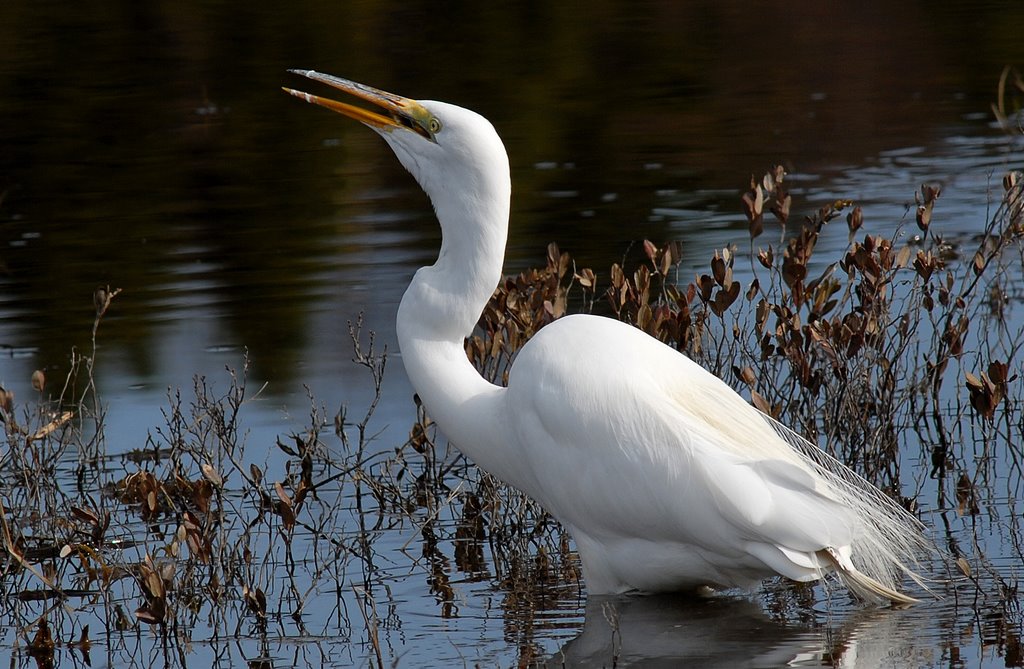
Great Egret in a Newfoundland Marsh
Tuesday, May 02, 2006
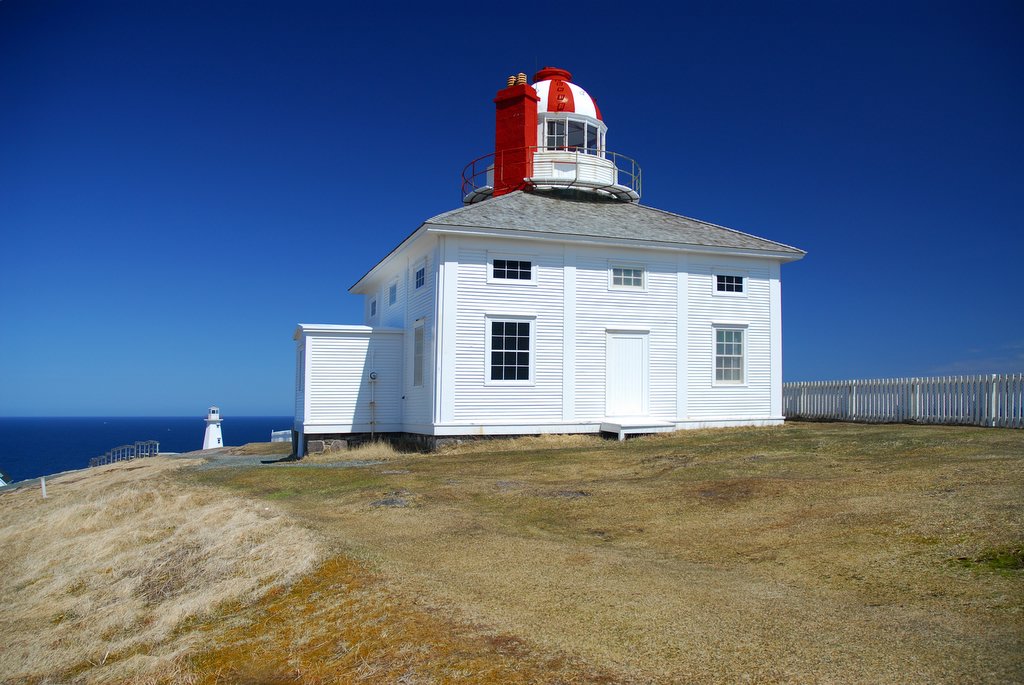
Lobster Cove Lighthouse

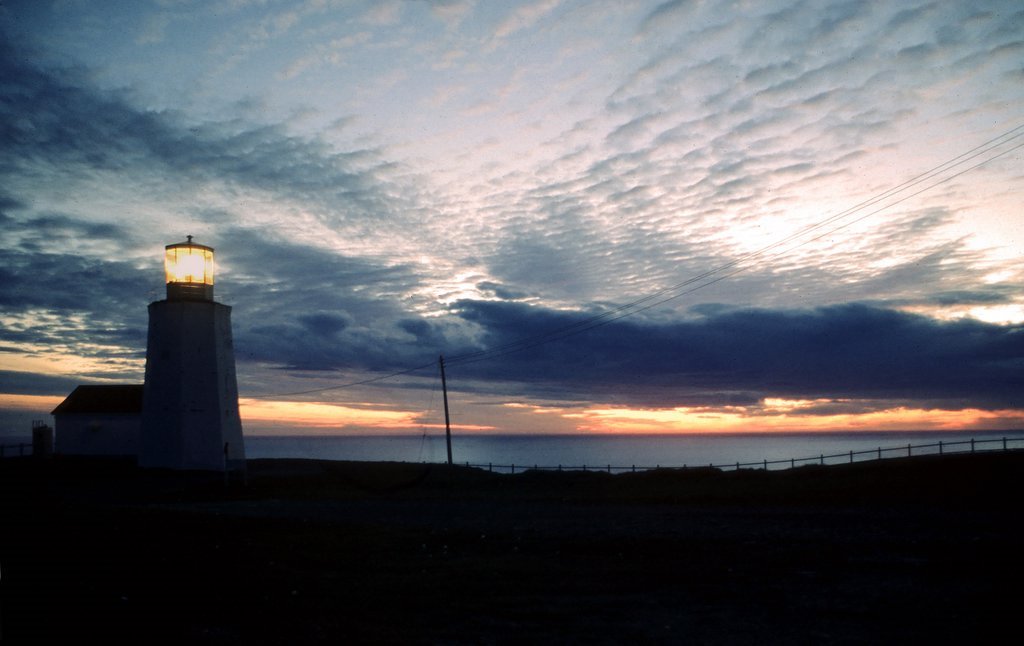
Lobster Cove Head lighthouse was built in 1897 and is located in Gros Morne National Park on the west coast of Newfoundland. It is a cast iron structure built locally by Victoria Iron Works of St. John's. The Newfoundland government, being very concerned for fishing and shipping safety in the outports, built the lighthouse on a major headland also protecting the shipping lanes through the Strait of Belle Isle. Until the lighthouse was completed, a local fisherman kept a seal oil lantern burning in his home to help his neighbours find their way from the fishing grounds. Today Parks Canada and the Canadian Coast Guard have joint responsibillity for tending the light. The park offers an interpretive program illustrating the history of the lighthouse and the people it serves. Lobster Cove Lighthouse, in its wild and beautiful setting, is always a highlight during a visit to Gros Morne National Park.
Great Egret

This magnificent heron with its dazzling white plummage is an uncommon bird in Newfoundland but well known in the southern United States. This bird arrived three weeks ago and has found a ready source of stickle-backs in a freshwater marsh near the Confederation Building in St. Johns. This beautiful bird nearly became extinct in the early 1900's when it was hunted mercilessly for its long plumes during nesting season. After hunting became illegal, the birds gradually increased in numbers and are now very common in warmer southern climates.
.
Saturday, April 29, 2006
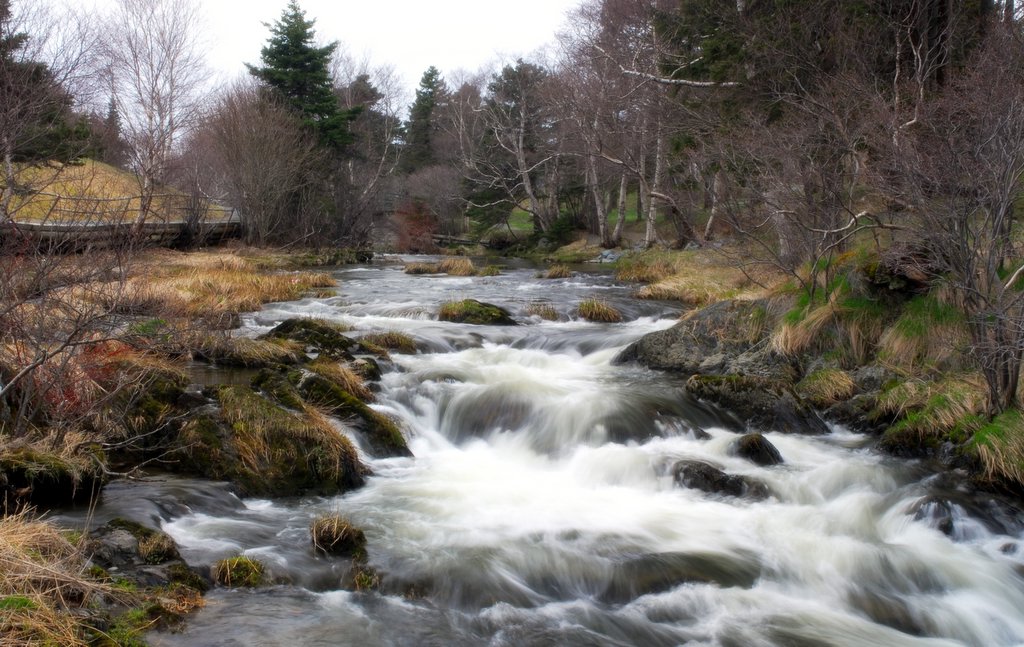
Waterford River - Bowring Park
Horse Trough - Bowring Park
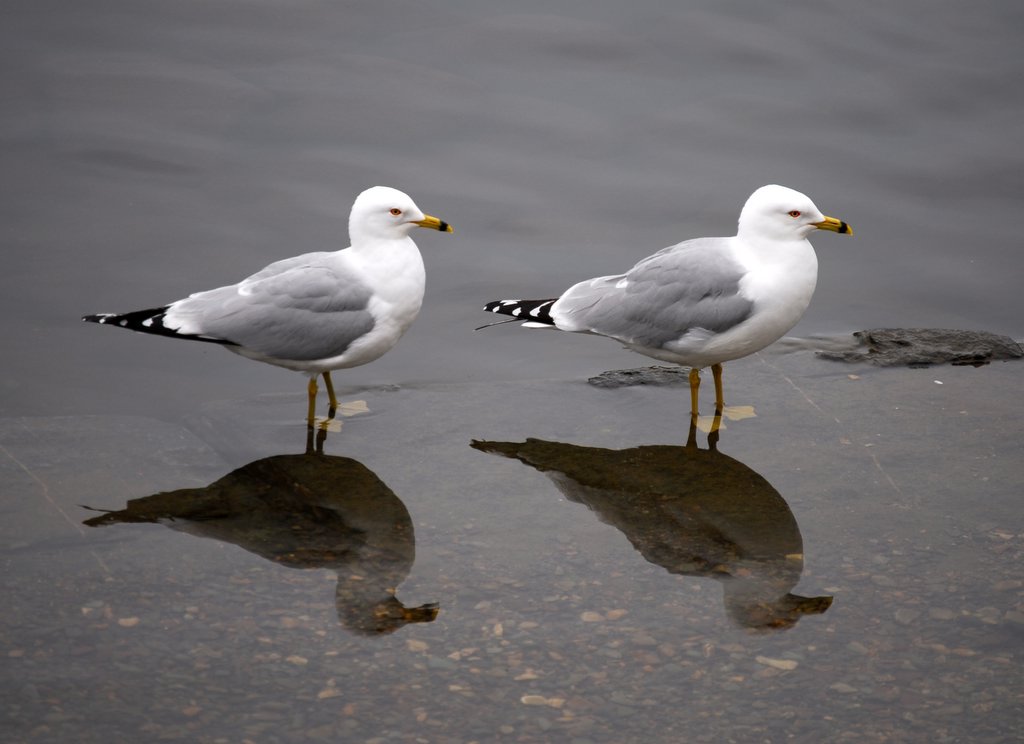
Ring-billed Gull - Bowring Park

This small gull resembles a herring gull but is more delicate in stature with characteristic bright yellow legs and a clear black band on its yellow bill. It is lighter and more graceful in flight than the larger gulls and is aptly named the Pond Gull for its habit of frequenting freshwater ponds during nesting season. In Newfoundland, it seems to prefer the coastal habitat. Parking lots of fast- food restaurants and city duck ponds appear to have a certain attraction for these birds.
.
Thursday, April 27, 2006
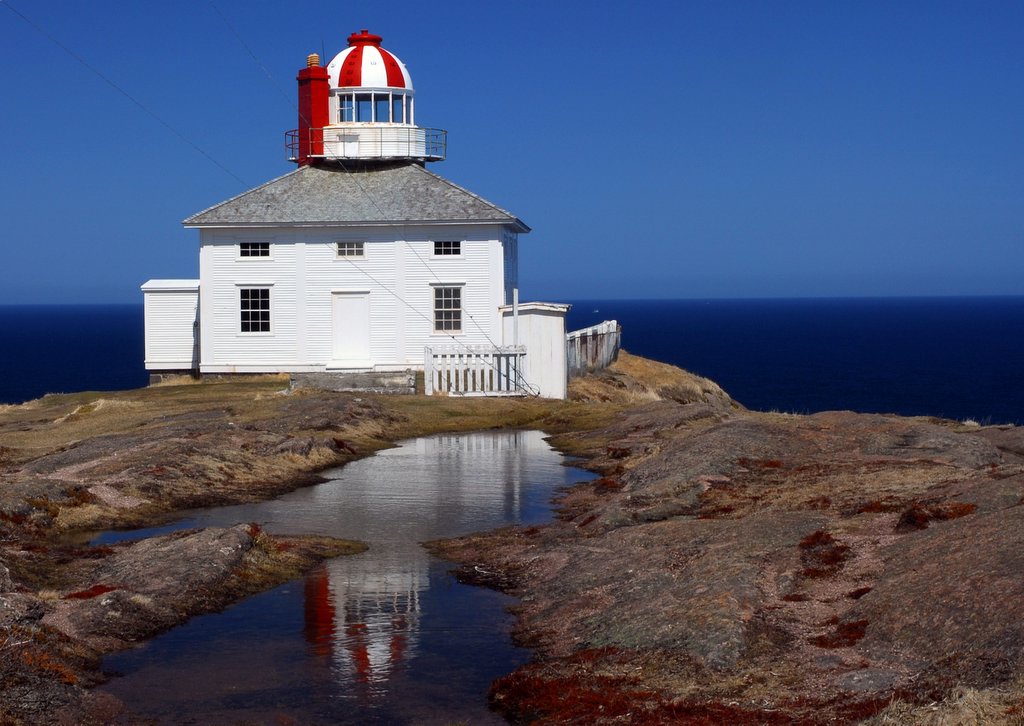
The Old 1835 Light
Old Cape Spear Lighthouse

The Cape Spear Lighthouse is the oldest lighthouse in
Monday, April 24, 2006
Sunday, April 23, 2006
Saturday, April 22, 2006
At Rest
Friday, April 21, 2006
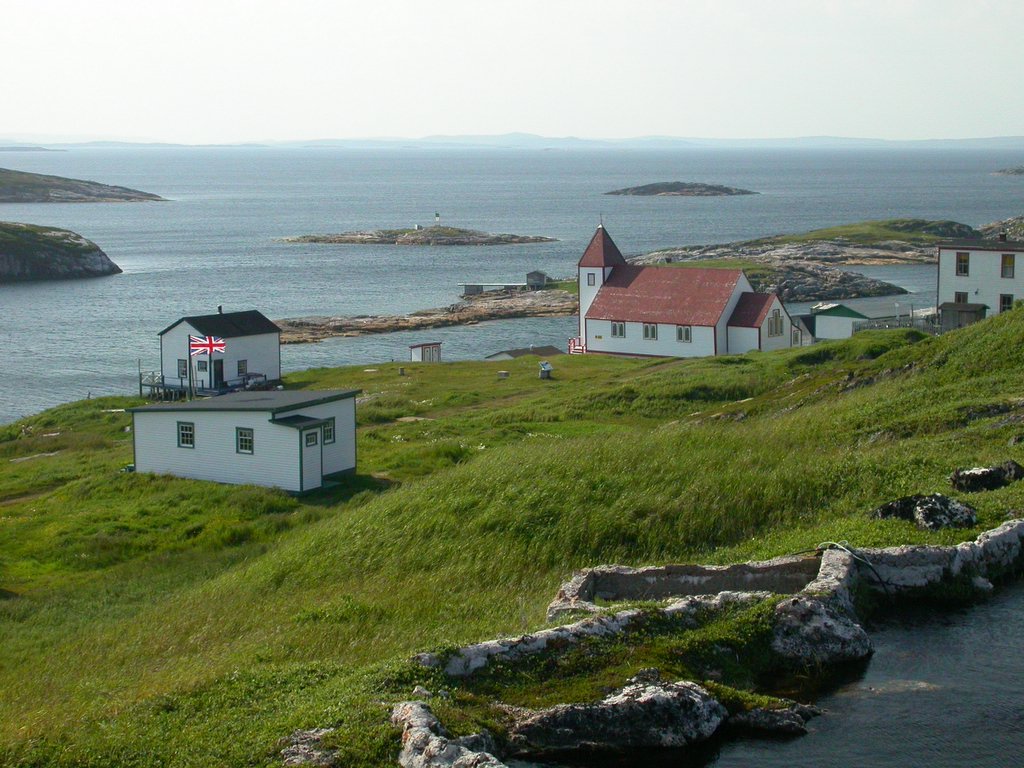
Battle Harbour Landscape

Battle Harbour, Labrador, was a fishing station in the nineteenth and twentieth centuries and was known as "The Capital of Labrador". A Grenfell Mission was established in the community in the early 1900's. To the right can be seen St. James the Apostle Anglican Church designed by Englishman Rev. Grey who visited the community in 1846. In 1852, construction began on ths church which became the focal point for the spiritual needs of both the resident and migratory fishermen. This church is the oldest non-Moravaian church in Labrador.
Blue Flag Iris ( Iris Versicolor )

This hardy perennial receives its name from its color but it has several other common names such as water flag, fleur-de-lis or flower-de-luce. It thrives in wet, swampy conditions, and is found in marshes, thickets, and wet meadows from Newfoundland to Manitoba and south to Florida and Arkansas. At Cape St. Mary's near the gannet colony in late spring and early July, one can find extensive fields of this delightful flower lending a quiet beauty to that landscape.
Wednesday, April 19, 2006
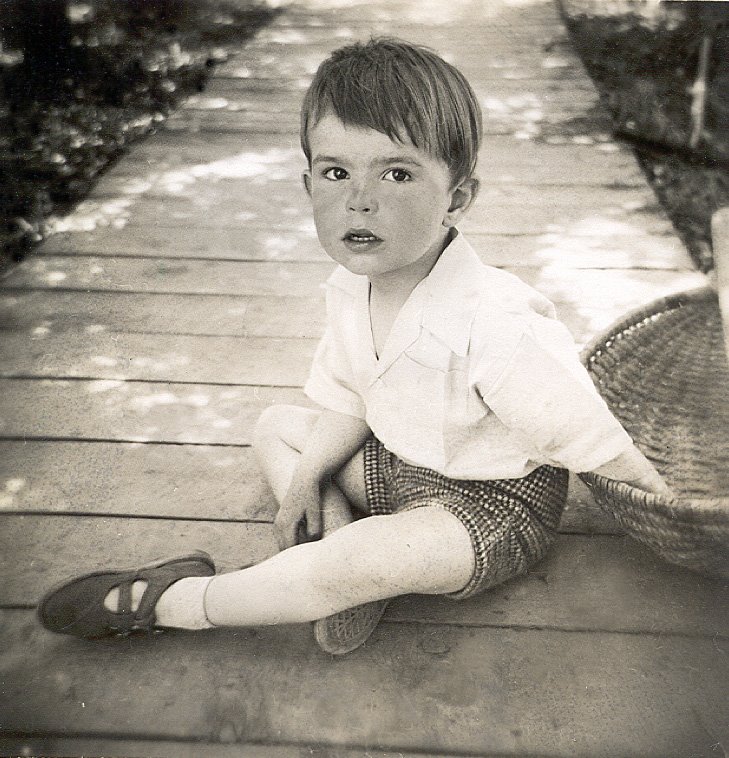
A Long Long Time Ago

My father was always taking photos of the family when we were growing up. Unfortunately all the negatives disappeared when the old homestead was sold and only some of the old photos remain. This photo was his favorite. A family story tells of him actually entering this image in a local photo competition and being disqualified because it was considered a posed photo. However, I can assure you that I was not posing when he pressed the shutter back in 1951.
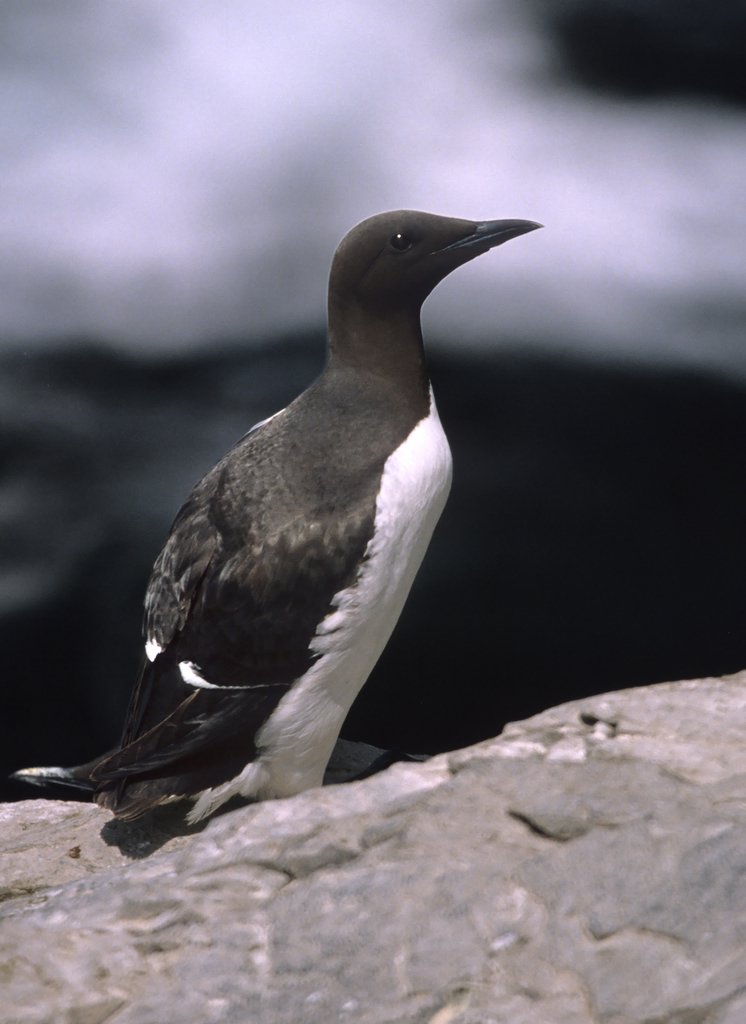
Atlantic Common Murre ( aka Baccalieu Bird )
The Common Murre or Turr as it is commonly called in Newfoundland is one of our best known seabirds. In spite of considerable hunting pressure during the winter months, the population has been increasing so that at the Cape St. Mary's colony there are presently 10,000 nesting pairs. In 1959 this colony consisted of only 2500 pairs. The common murre nests along the narrow ledges of steep cliff faces. There is little room for the adult pairs but the pear shaped egg is less likely to roll off the ledge than a round egg. Murres feed mainly on fish but they also have a taste for crustaceans and other marine life.
Tuesday, April 18, 2006
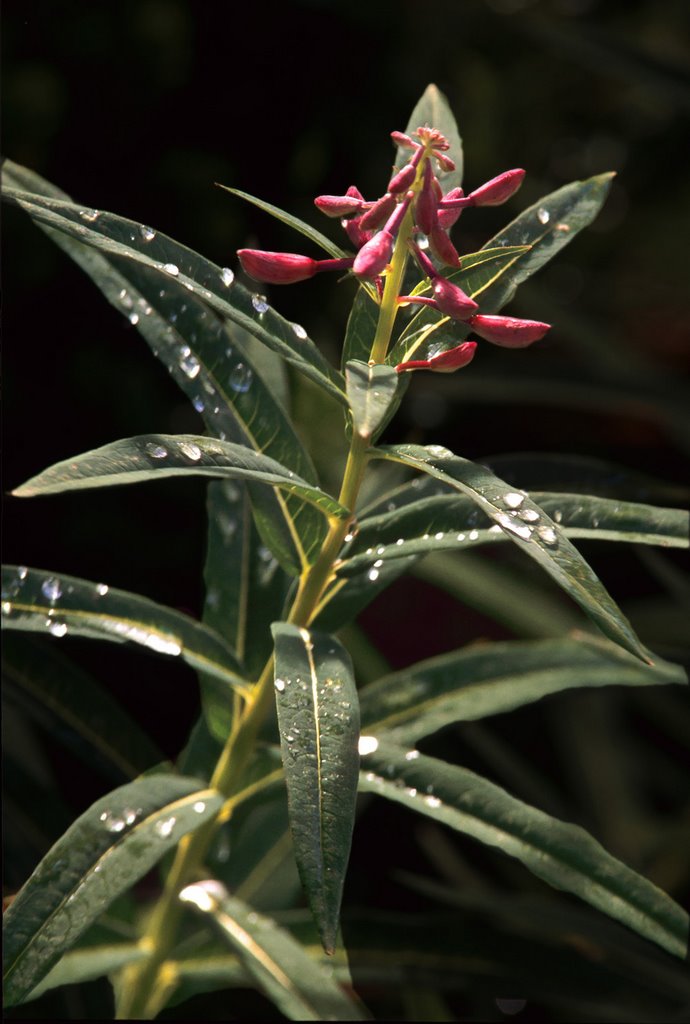
Fireweed ( Closed Petals )
This tall perennial is the provincial flower of the Yukon but is quite common across Canada and well known in Newfoundland. It is an ubiquitous plant growing from sea level to high in the mountains and it commonly invades burned over areas protecting the denuded land from erosion. As the forest regenerates, these flowers tend to die out. This happy flower is found blooming throughout the summer.
Saturday, April 15, 2006
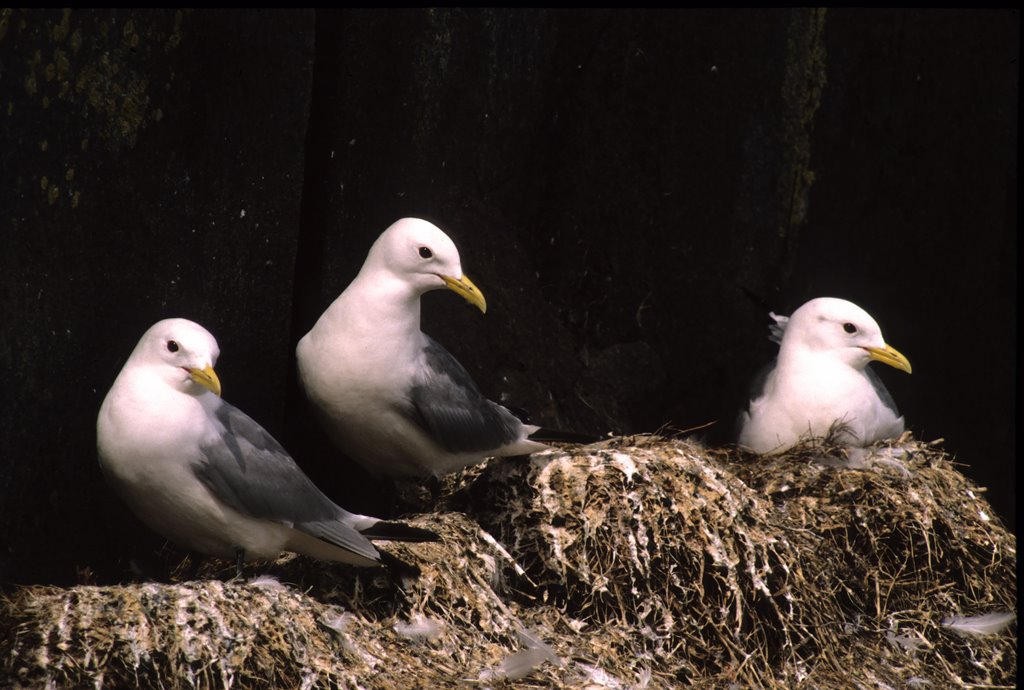
Eyes Right - Kittiwakes - Cape St. Mary's

On the southwestern tip of the Avalon Peninsula is one of the most spectacular seabird colonies in the western world. Extending along 125 ft. cliffs for more than 3 miles are the nesting sites of several species of seabirds. In addition to gannets, thick-billed murres, razerbill murres, and black guillemots, these steep mainland cliffs are the breeding territory of 10,000 nesting pairs of kittiwakes.
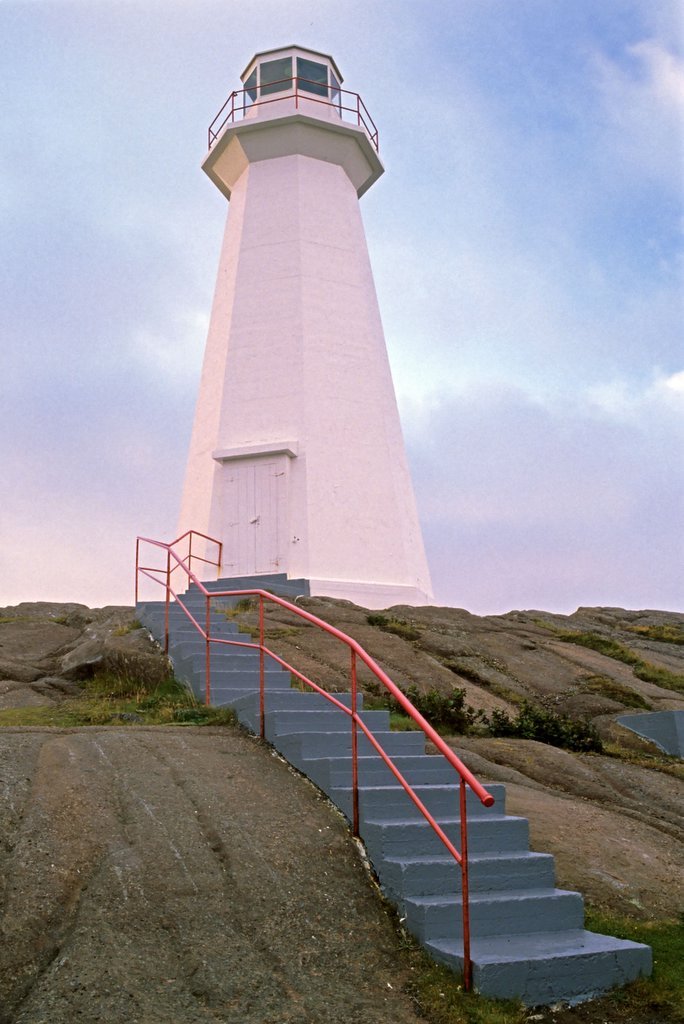
Stairway to Heaven - Cape Spear Light
Friday, April 14, 2006
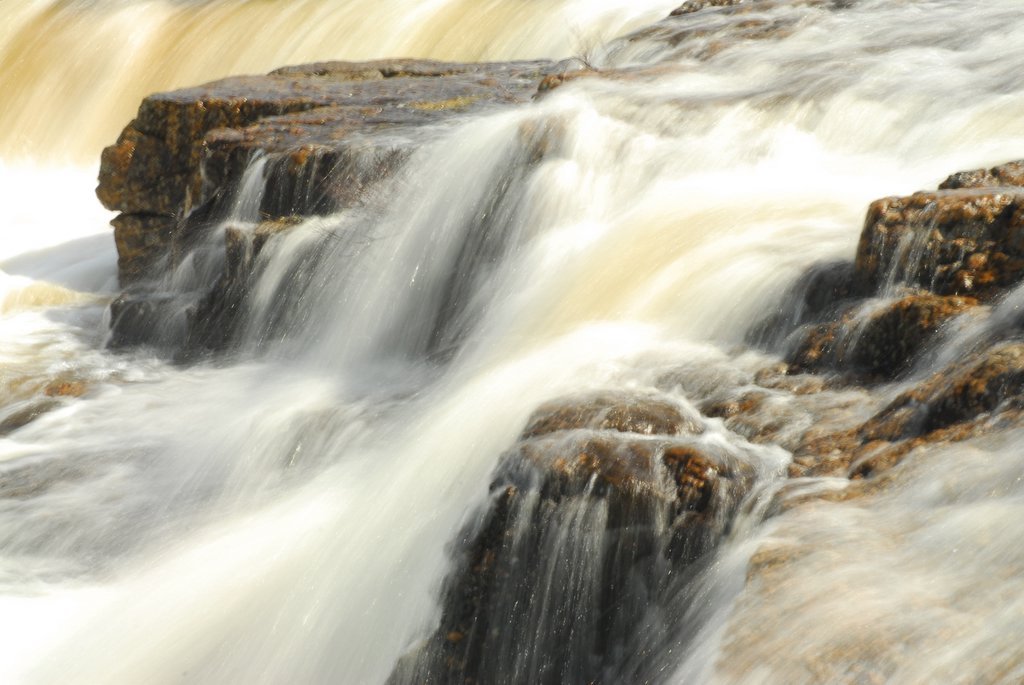
Before Time and Again

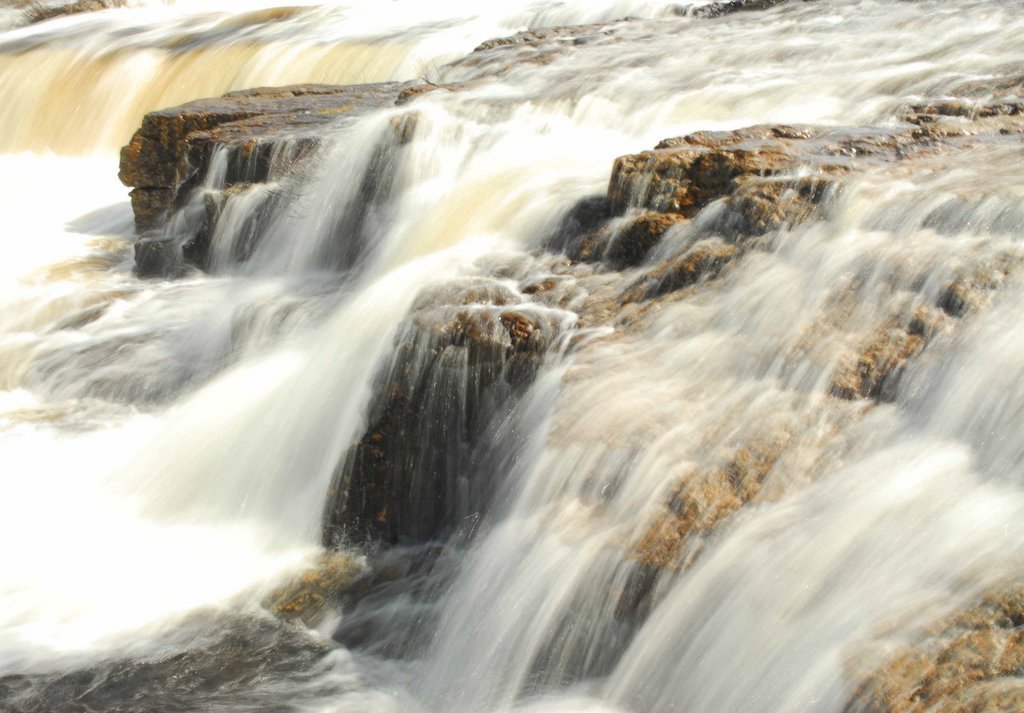
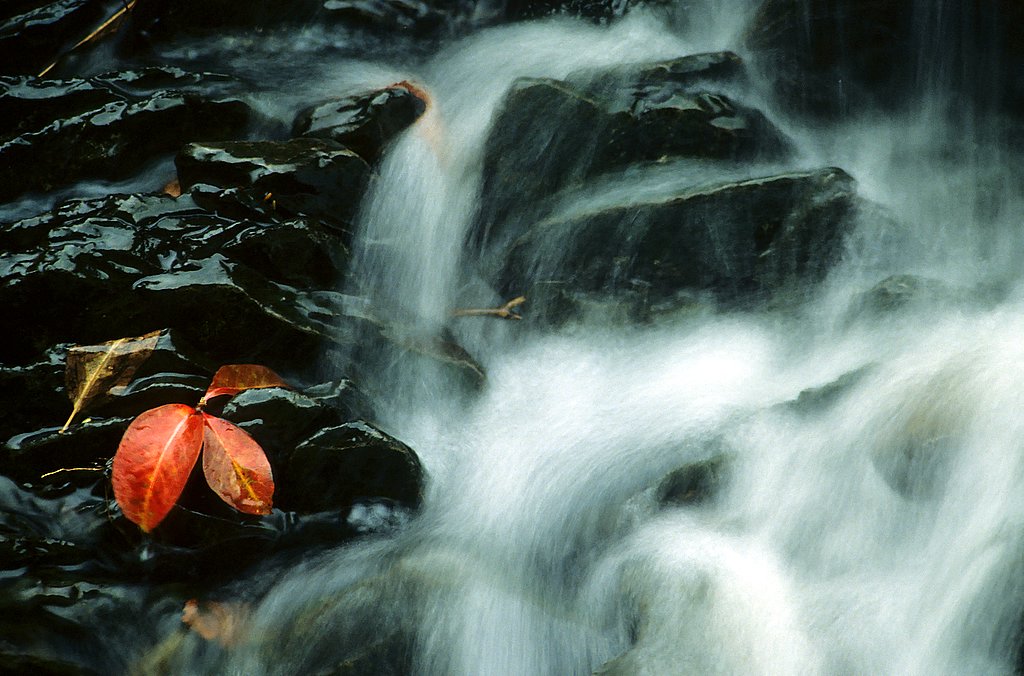
The Easter weekend arrived as a warm sunny spring day presenting me with a comfortable opportunity to photograph the beauty of Manuel's River, a short drive from my home. On arrival at the trailhead, I noted with dismay that I had forgotten my tripod. Nevertheless, I hand-held my trusty Nikon D200 hoping that the images would be acceptable in spite of the inevitable softness caused by the slow shutterspeed. The resulting images speak to the ageless beauty of the rocks and water.
Before Time - Spring Runoff
Thursday, April 13, 2006
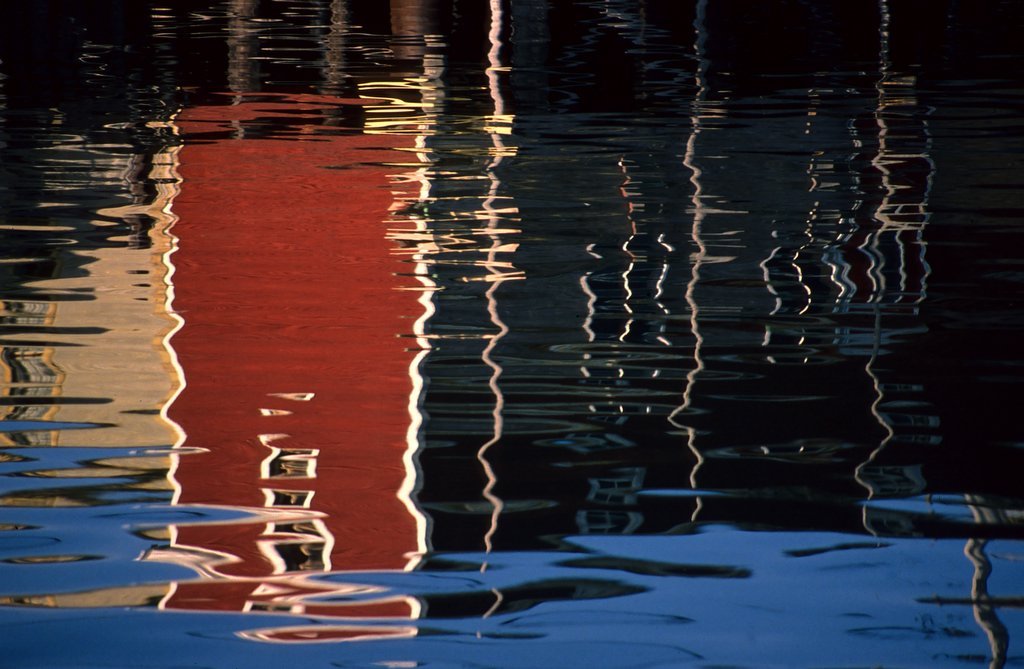
Port de Grave Reflection
Northern Gannet - Cape St. Mary's Colony

The Great Northern Gannet is a spectacular bird and a familiar sight to fishermen in our coastal waters. It is a bird of the open seas not coming to land except to nest in dense colonies on offshore islands. There are three main colonies in Newfoundland: Baccalieu Island, Funk Island and Cape St. Mary's. The latter colony is the second largest in North America having 5000 nesting gannet pairs. This colony is also notable for its easy access and its magnificent coastal scenery.
Tuesday, April 11, 2006
Sunday, April 09, 2006
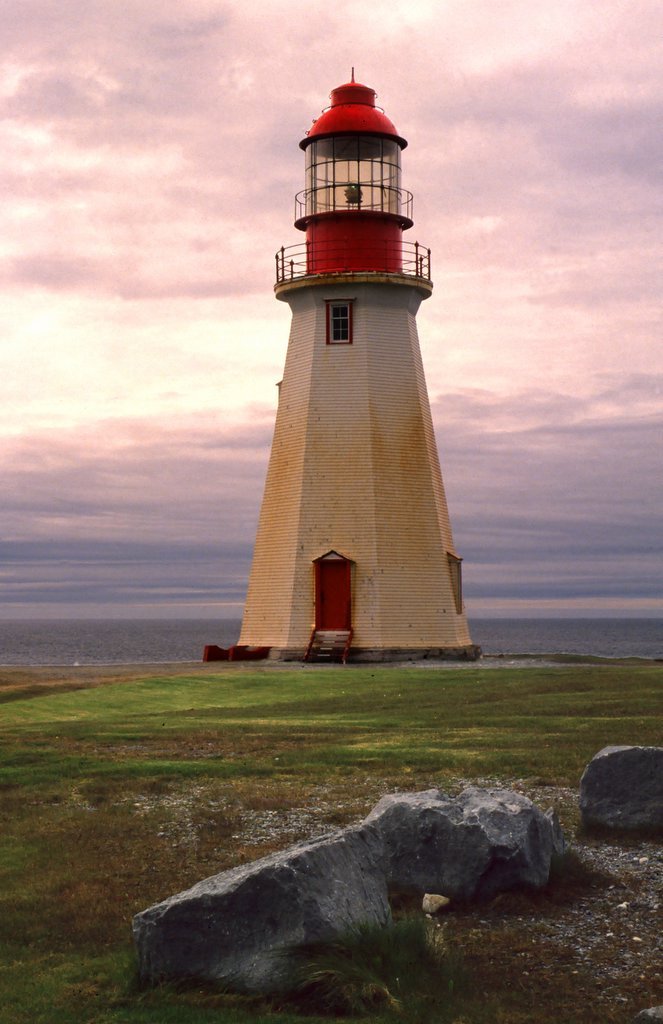
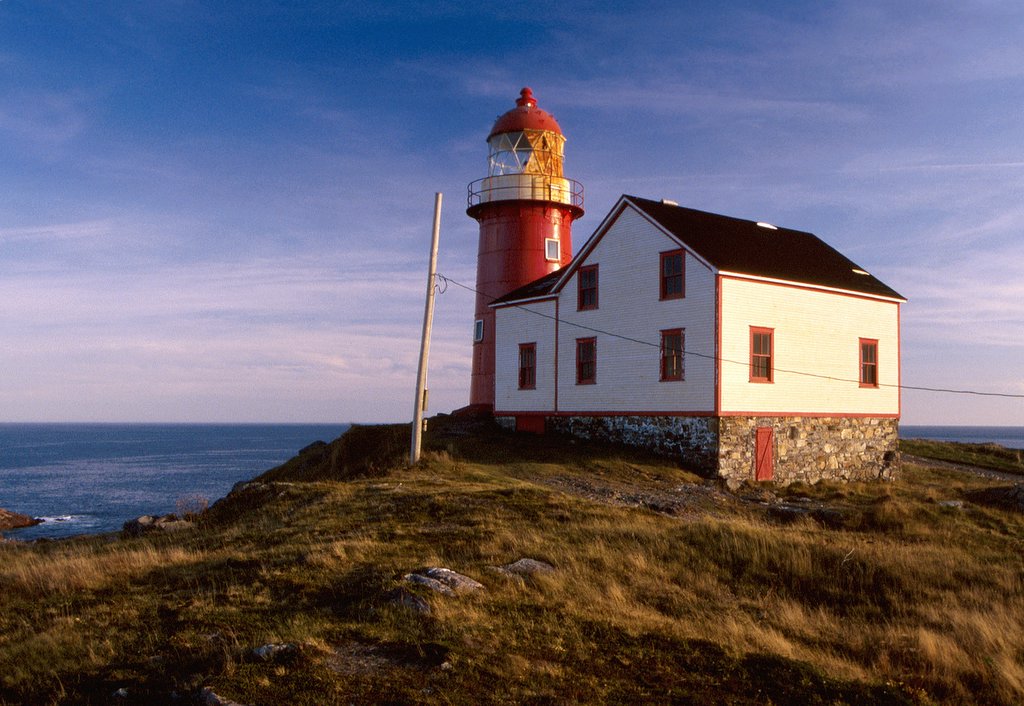
Pointe Riche Lighthouse

Located near Port au Choix on Newfoundland's great northern peninsula, the Point Riche Lighthouse stands alone since the light keepers house was destroyed by fire in the late 1970's. The original tower was built in 1871 and was replaced by the present octagonal timber structure in 1892. The site is a wild and beautiful place still haunted by the ghosts of the Maritime Archaic Indians who lived here 4400 years ago.
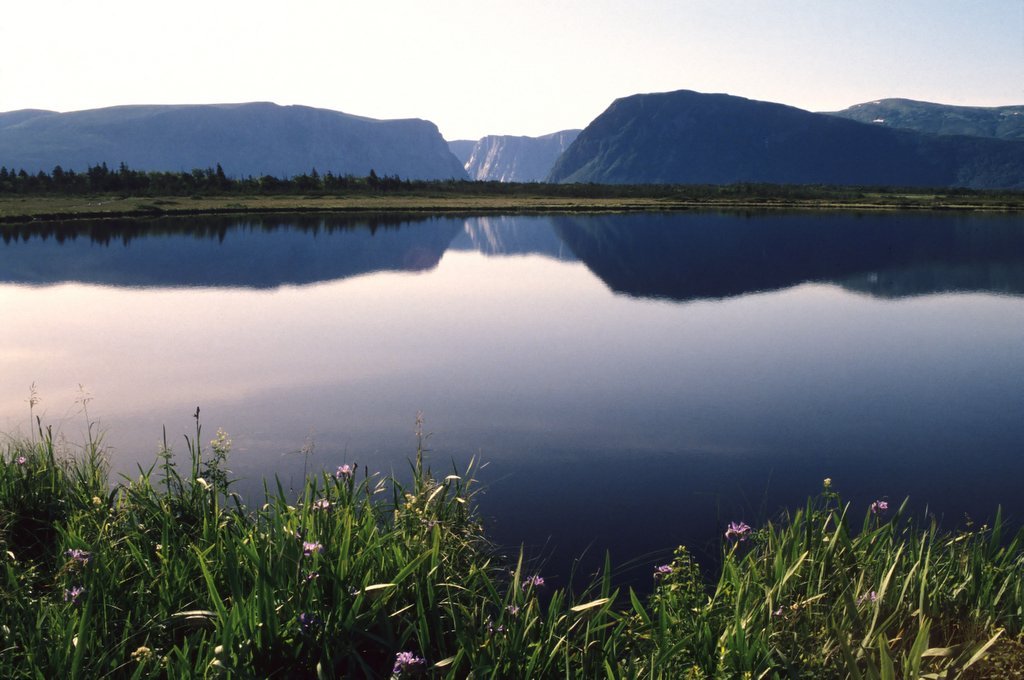
Western Brook Pond
"Western Brook Pond is the modest name of the most dramatic piece of terrain in the island ( Newfoundland ) , if not in Eastern Canada. It is an immense body of water, twelve miles long, lying in a cleft that runs deep into the Long Range Mountains at one of their highest points. The mountains are split as though with an axe, and the two thousand foot cliffs drop sheer into the pond to a fathomless depth below the black water."
Gros Morn - A Living Landscape - Pat McLeod
Tuesday, April 04, 2006
Return to Ferryland Lighthouse

This lighthouse on Ferryland Head was constructed in 1871 by William Campbell, a St. John's contractor, and Thomas Burridge, a St. John's mason. The two-storey dwelling was designed to accommodate the lightkeeper, his assistant and their families. The tower is a masonry structure sheathed in iron and holds a fixed dioptric light that can be seen for 13 nautical miles. The light was automated in 1970 and it still is an active aid to navigation.
Waterford River - Bowring Park

"Bowring Park is a familiar and beloved area of St. John's and is best-known for its picturesque landscapes, its royal swans, and its recreational areas.
This beautiful park was donated to the people of the City of St. John's in 1911 by Bowring Brothers Ltd. commemorating their 100th anniversary of commerce in Newfoundland. Bowring Park was officially opened by His Royal Highness, the Duke of Connaught in 1914."
Monday, April 03, 2006
Morning Mist at the Battery
Wooden Bench in an Empty Park
Saturday, April 01, 2006
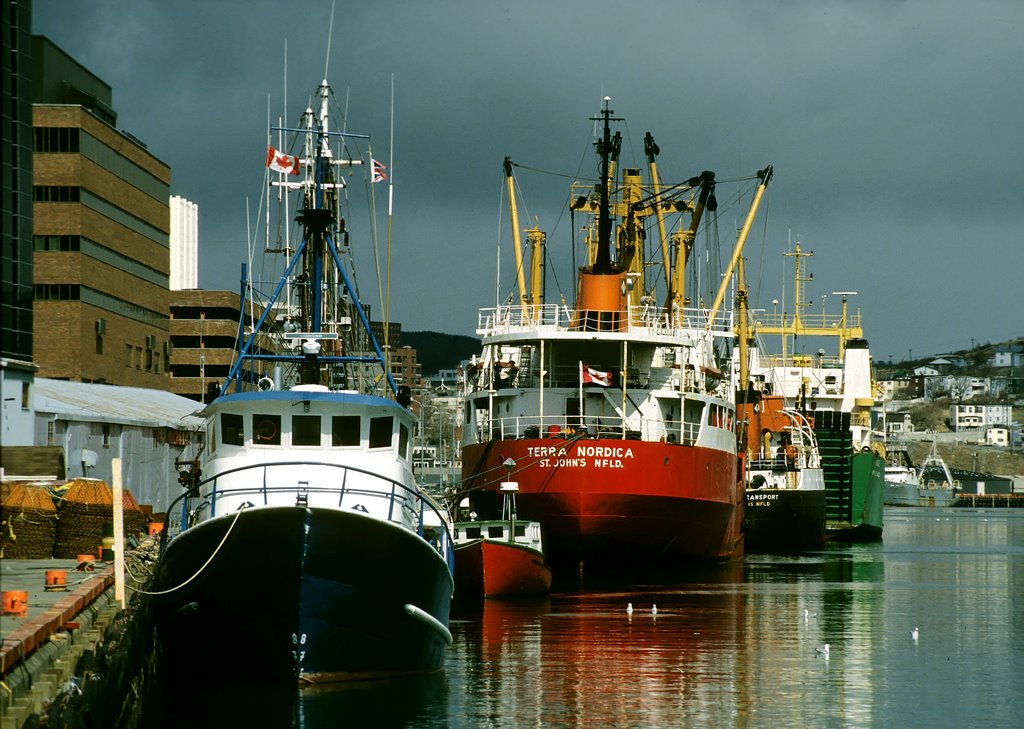
St. John's Harbour - Sunday Morning
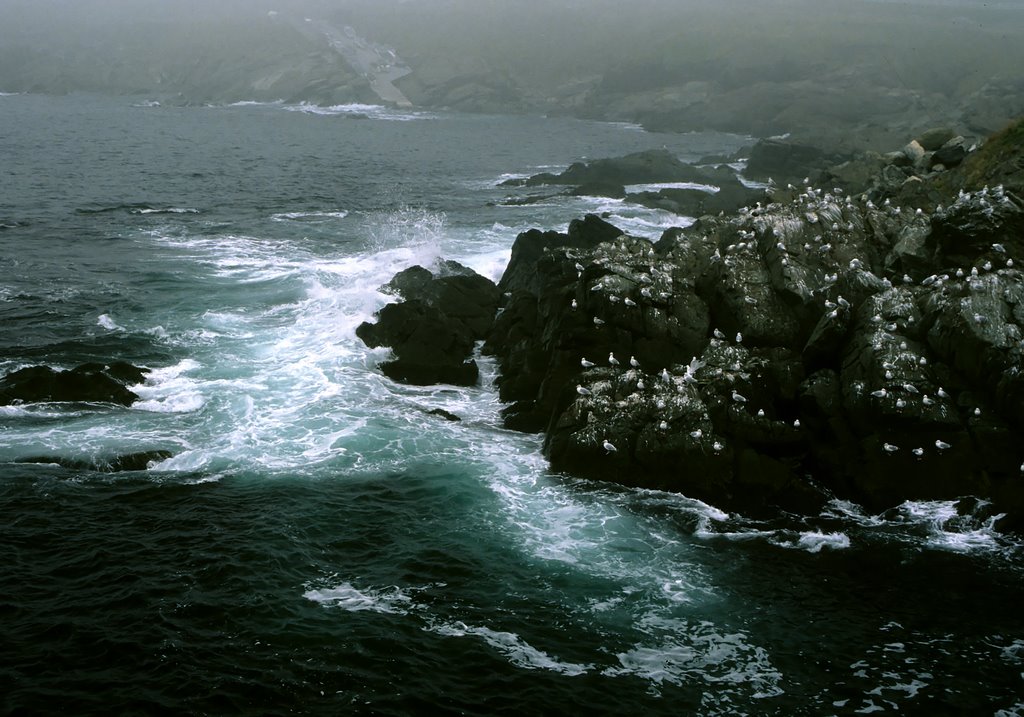
Gull Rookery at Flat Rock

The herring Gull is the most abundant gull about Newfoundland shores and is the species generally meant when "gull" is mentioned. It is very noisy around the nesting colonies. The raucous cries from the rookery are sometimes useful to fishermen in foggy weather, as it helps them locate their bearings.