Thursday, March 30, 2006

Red on Blue


"If I could find my way through this knoted tangle and seek the color, light, or anything bright."

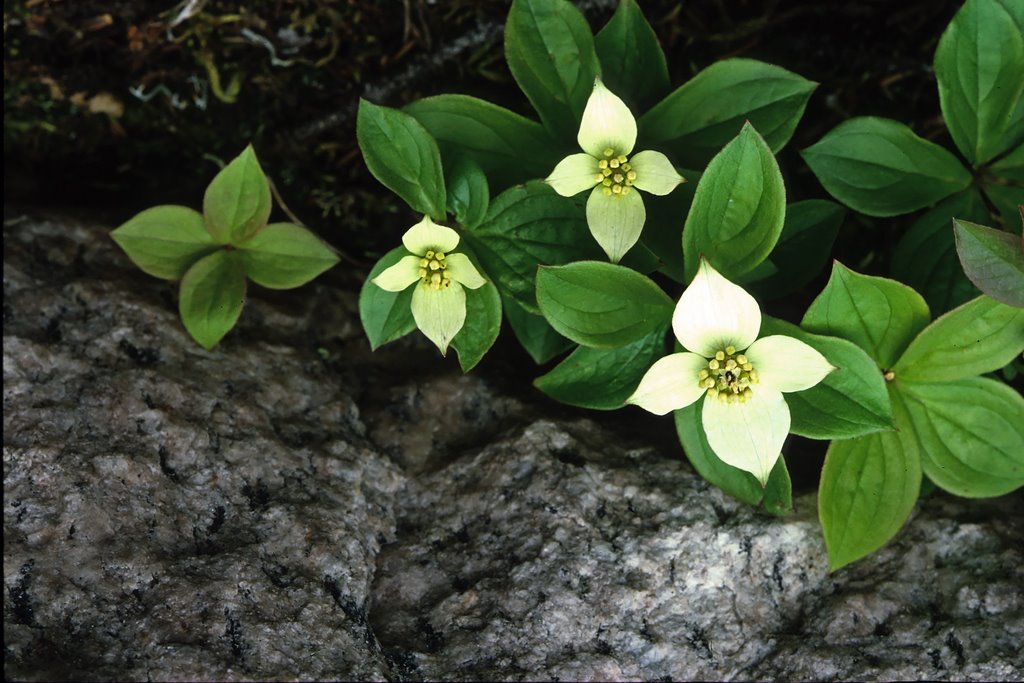
The Red Door


"The door seemed less bare now, more red, coming to life like a blooming flower."


Autumn - Bowring Park


As autumn leaves spread o'er the ground
The trees begin to show their darkened bones,
Their time of splendid glory fading.

Wednesday, March 29, 2006

Cracker Berry


The Cracker berry is commonly found amongst green conifers at the edge of clearings and sun spoiled spaces. In summer this plant sports bright blood red berries that are bland to taste but nonetheless provide food for foraging wildlife. A tea made from its roots is a natural remedy for infant colic and its powdered leaves have been used to treat topical skin ailments.


Tuesday, March 28, 2006

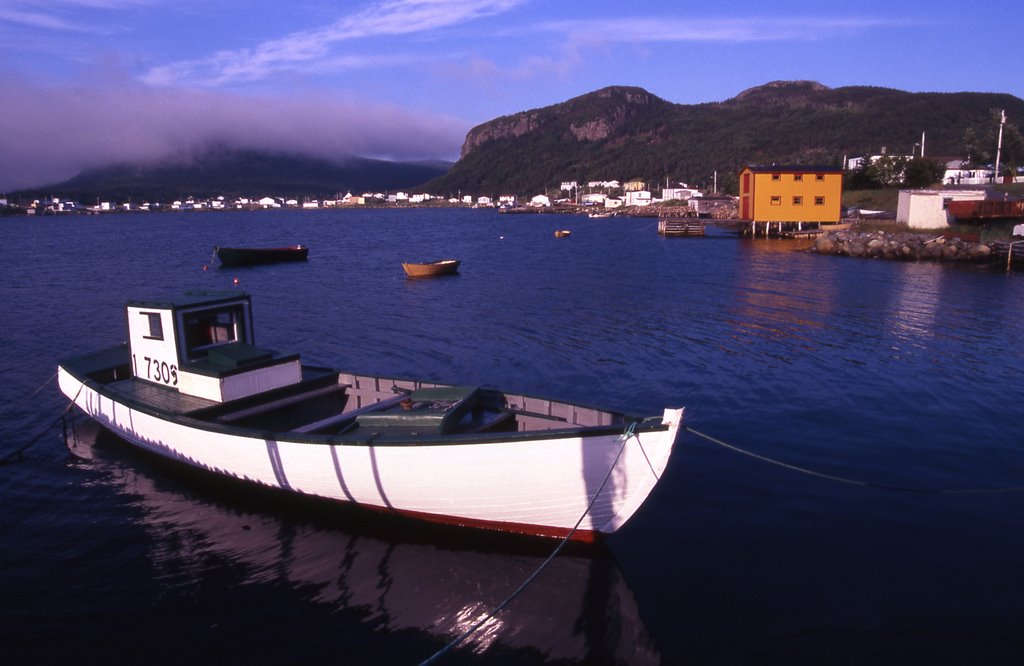
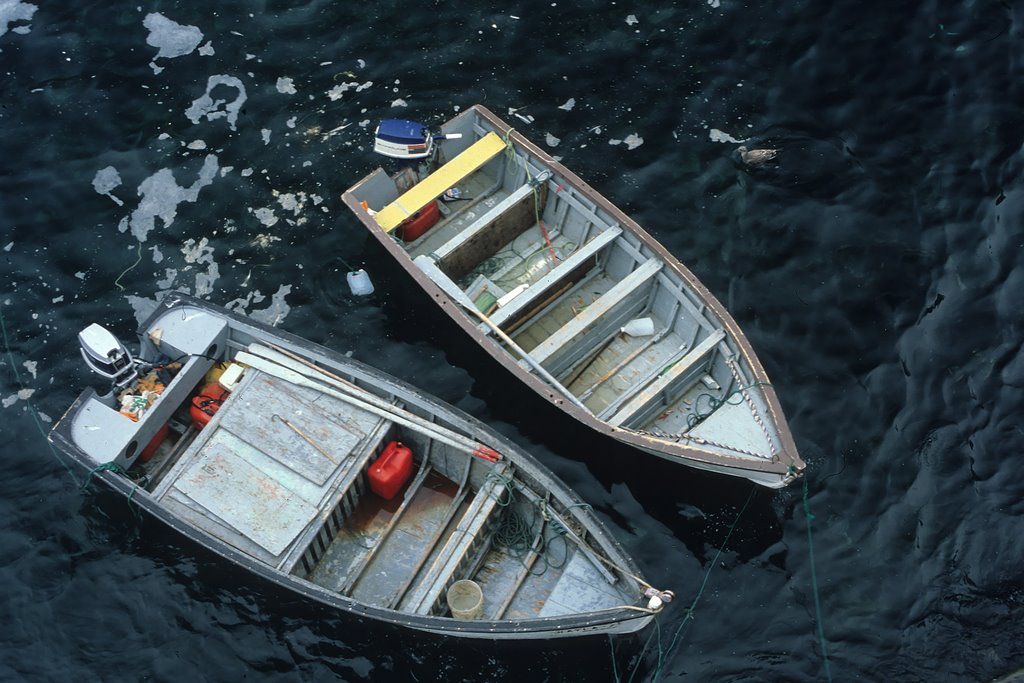
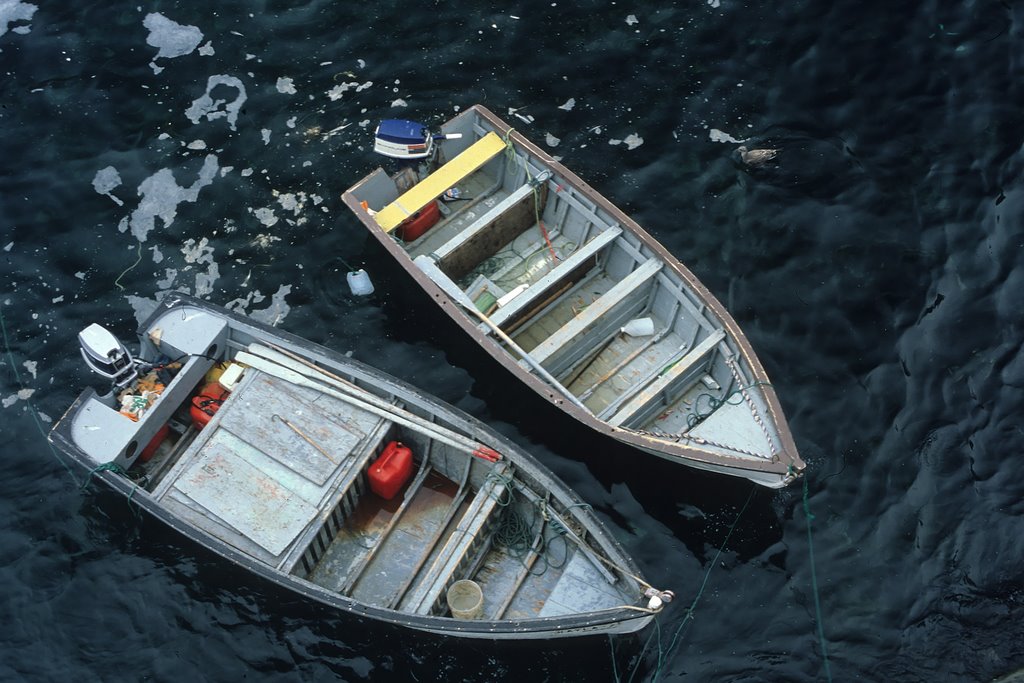
Two Boats at Flat Rock


Why do I see these empty boats, sailing on airy seas? 
One haunted me the whole night long, swaying with every breeze,
Returning always near the eaves, or by the skylight glass:
There it will wait me many weeks, and then, at last, will pass.
Each soul is haunted by a ship in which that soul might ride
And climb the glorious mysteries of Heaven's silent tide
In voyages that change the very metes and bounds of Fate —
O empty boats, we all refuse, that by our windows wait!
- Vachel Lindsay


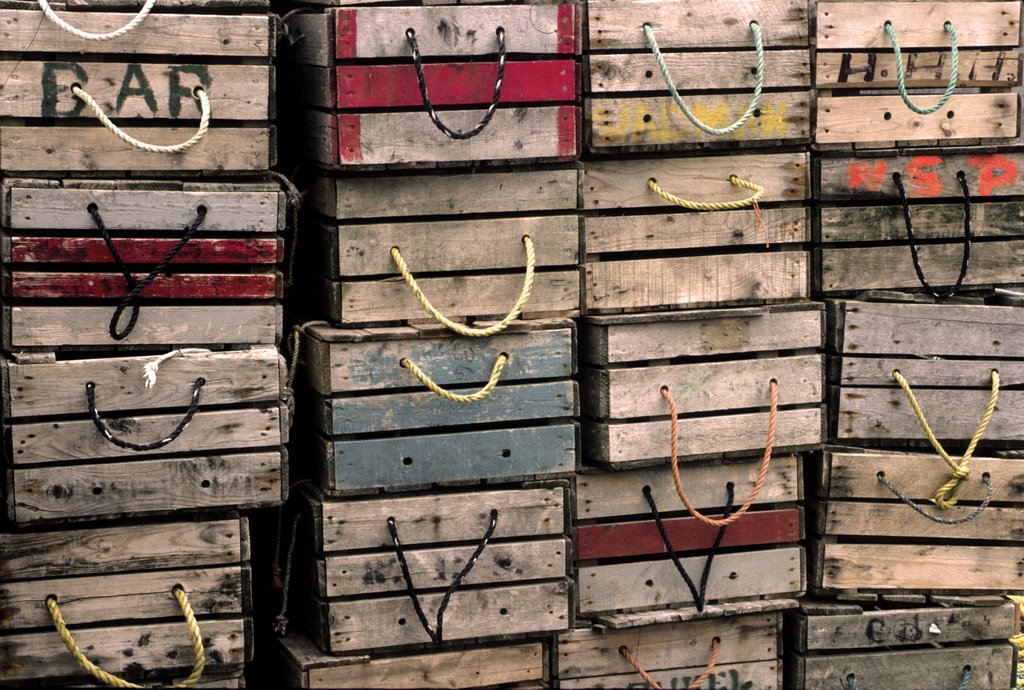
Lobster Boxes


During the lobster season, fishermen stack these wooden crates on the wharves ready to store their freshly caught lobsters. These boxes are usually tied together and immersed in the harbour water awaiting market buyers.


Monday, March 27, 2006

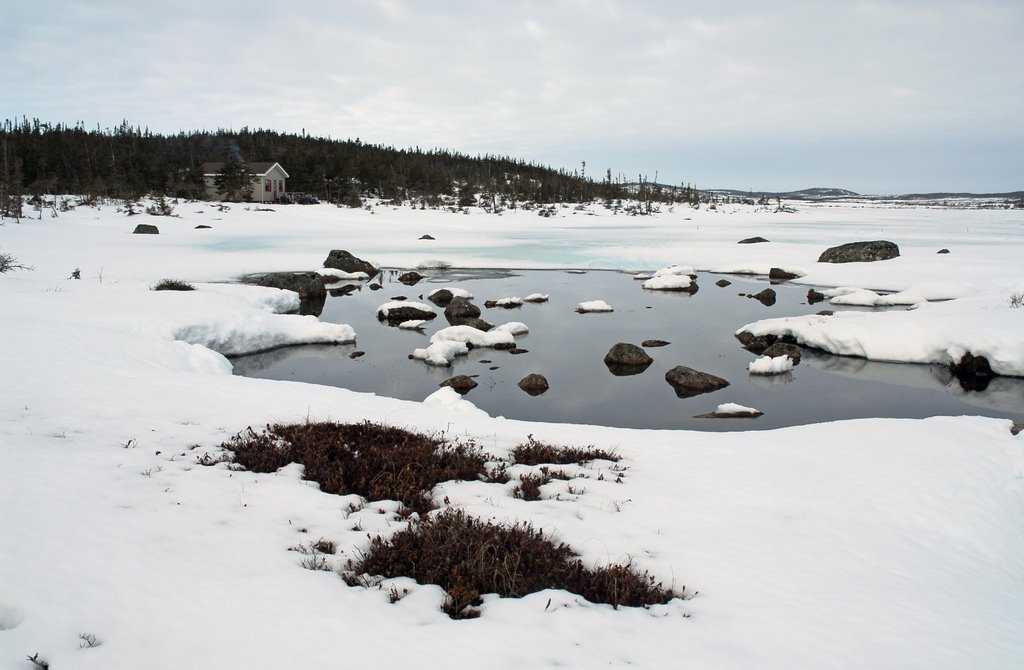
Open Water - Early Spring


This past weekend I was lucky enough to be snowmobiling with my good friends , the Morgans and Howard Harvy in the high country It was a great sunny day with few clouds, in fact, in Newfoundland we call it a "Large Newfoundland Day".

The high country is hauntingly beautiful at this time of the year when the brooks and ponds are losing their icy winter coats . It just doesn't get much better than this !

Morgan's Cabin in the High Country


"I live in a lonely cabin
with no one else around
I live near lonely trees
in a lonely ground
My life would be much better
if I had some friends
But all I have for company
is the river and its bends

I live in a lonely cabin
I know the land by stride
I live near lonely trees
and I care for them with pride
My life keeps getting better
as I learn to get along
All the animals are playful
and the wind is full of song

I live in a lonely cabin
it's not that bad I guess
There're no troubles on my shoulders
and I'm lightened of my stress"

-- Maria
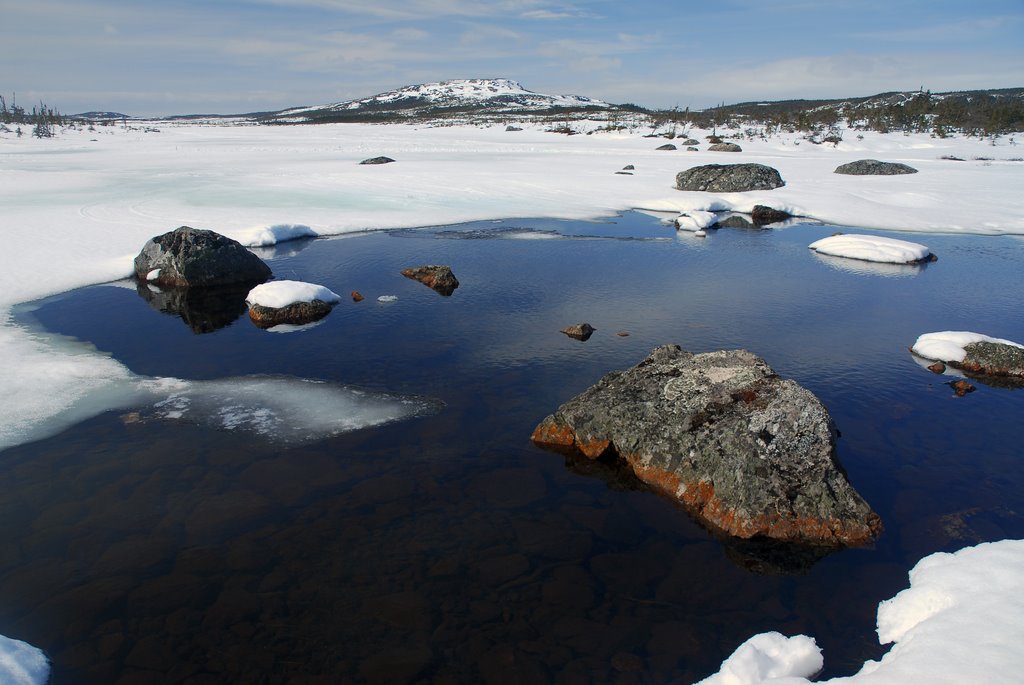


Spring Breakup - View from Morgan's Cabin


The transition from late winter conditions to early summer tends to be a protracted and erratic process over much of Newfoundland. Purely from the standpoint of climate and weather, "spring" in this region implies an overall rise of mean daily temperatures through the melting point, causing gradual disappearance of snow and ice. Implicit in this phenonomen is the happy expectancy that summer is just around the corner.


Wednesday, March 22, 2006

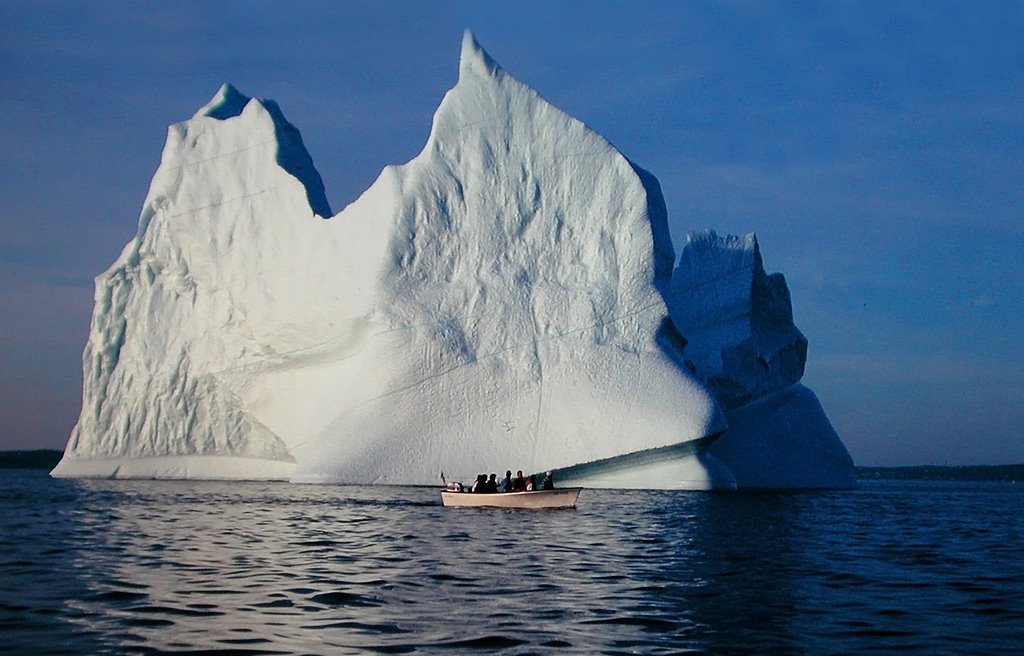
Six Stories High


"On the night of April 14, 1912, at 20 minutes before midnight, the "unsinkable" ship RMS Titanic was cruising across the Grand Banks off Newfoundland at more than 20 knots on its maiden voyage. Lookouts suddenly saw an iceberg dead ahead rising six stories out of the water. Their warnings to the bridge were too late. The great liner struck the iceberg and sank. The resulting loss of more than 1,500 passengers and crew stunned a world that had become increasingly complaisant with mankind's presumed superiority over nature."


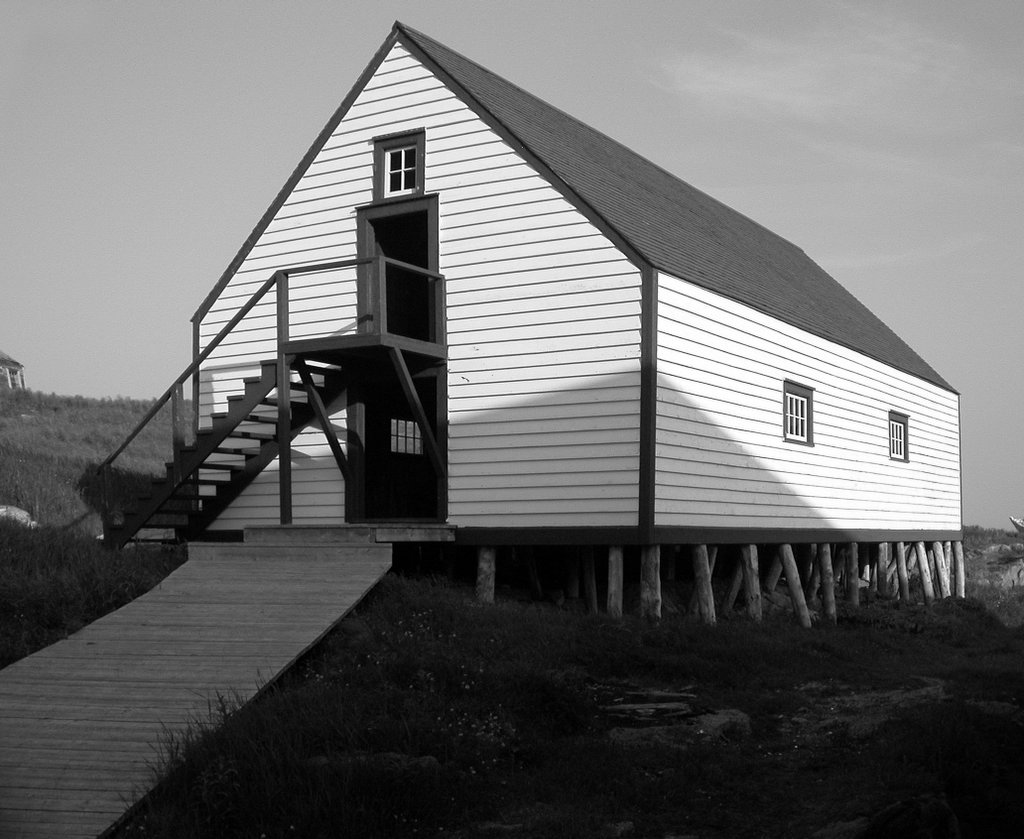
Salt Stage - Battle Harbour


Salt Stage - a Storage building where split fish was salted away in pounds or barrels before drying. Generally such a stage or store was necessary in locales where the splitting stage was vulnerable to storms.

Posted by Picasa

Tuesday, March 21, 2006

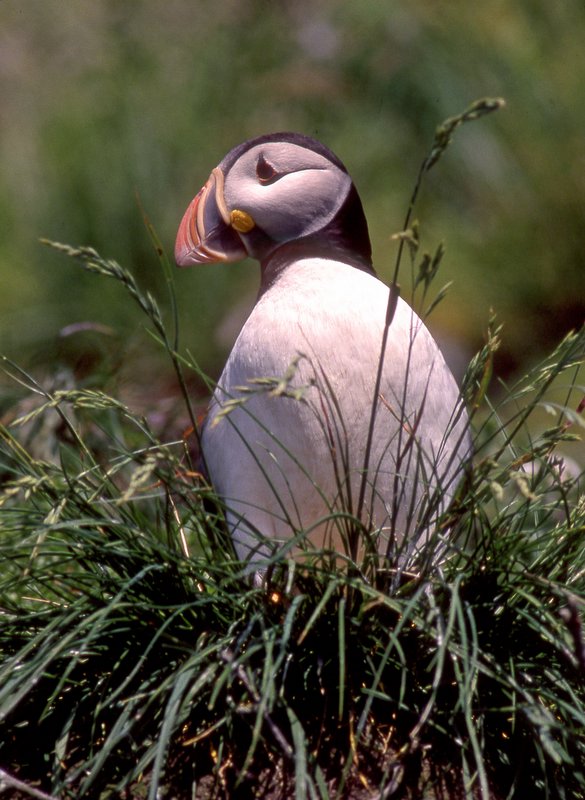
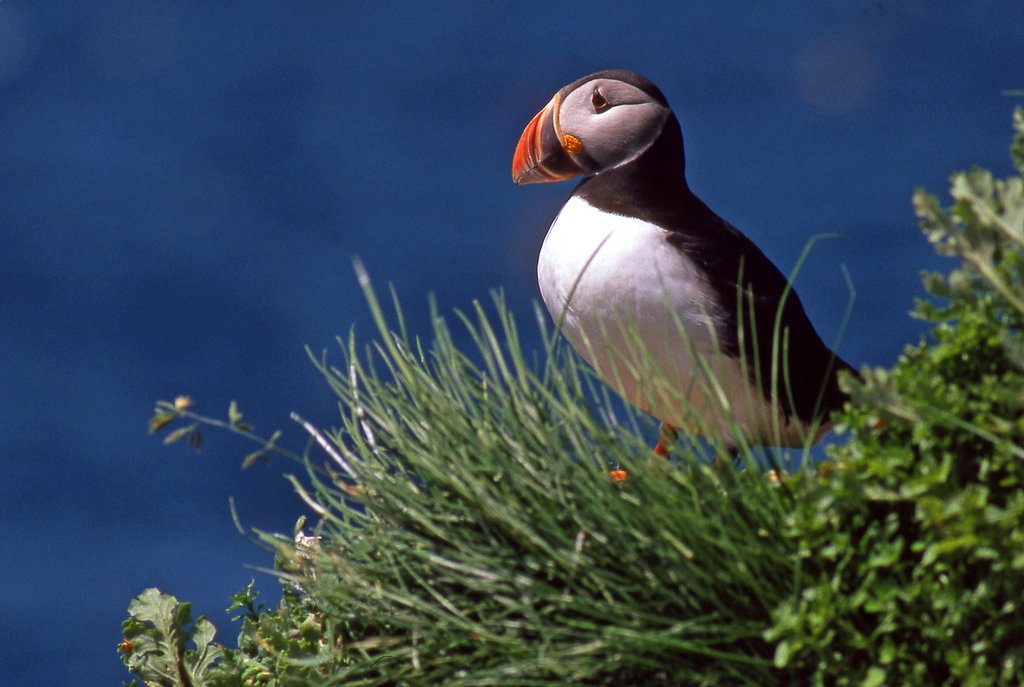
Atlantic Puffin on a Sunny Afternoon


The Atlantic Puffin is Newfoundland's provincial bird. Did you know that 95% of all North America's puffins breed around the Newfoundland and Labrador coasts. We have the largest puffin colony in the western Atlantic (225,000 pairs) at the Witless Bay Ecological Reserve, 32km south of St. John's.

Here is the familiar breeding adult with it's striking orange, yellow, and bluish bill and matching bright orange feet. A puffin’s greyish white face is decorated with fleshy yellow rosettes at the base of the bill and red rings and small bluish plates around the eyes. The sexes look the same, although males tend to be slightly larger than females.

Posted by Picasa

Monday, March 20, 2006

Willow Ptarmigan


Known as the Newfoundland partridge, the ptarmigan prefers wind swept hills and barren country. Two partridge species, Willow Ptarmigan and the Rock Ptarmigan, are found throughout the province.

The partridge epitomizes the open wilderness. It is an arctic bird, and it is believed that the Burin and Avalon peninsulas of newfoundland may be the most southern, naturally occurring extremity for the bird's range in North America.

.

Sunday, March 19, 2006

Day Break in "Pigeon Inlet"

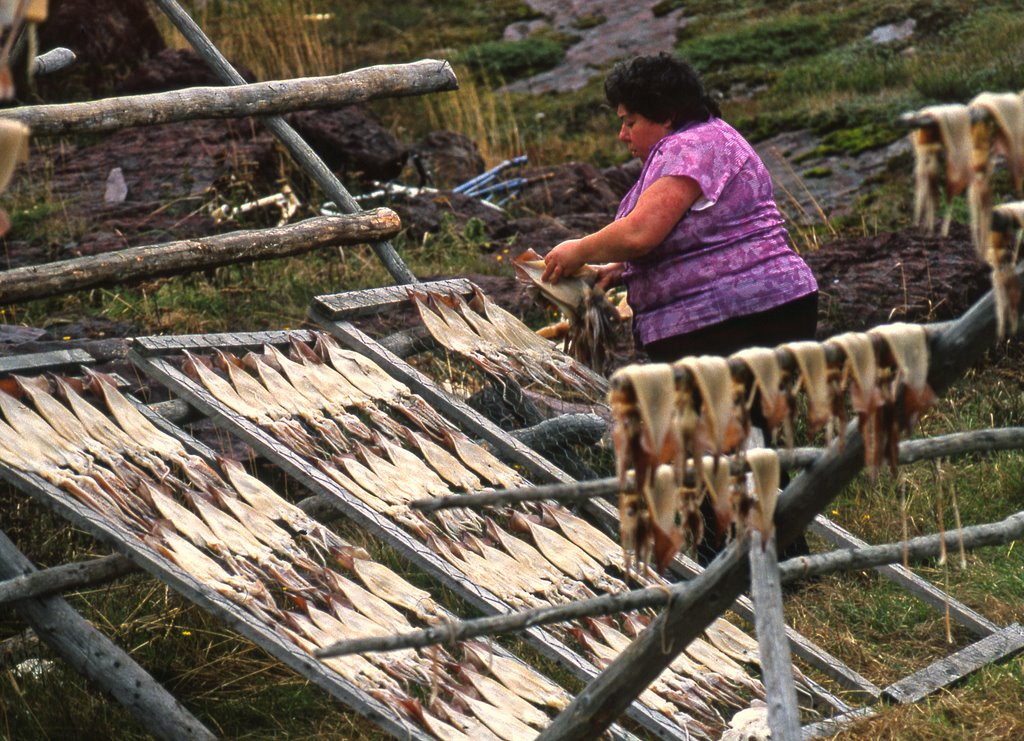
Drying Squid in Red Cliff


"You can't tell the mind of a squid."

In Newfoundland this refers to an unreliable person - A squid can move backwards or forward.


Wednesday, March 15, 2006

Winter Sojourn in Texas

Good Day ! Watch for new photos next week. I am presently in Texas enjoying what I call Newfoundland Summer, far from the snows of winter. Muffin ( Margaret ) and I are having wonderful visit with our daughter Erin. Hope to post again soon.

Tuesday, March 07, 2006

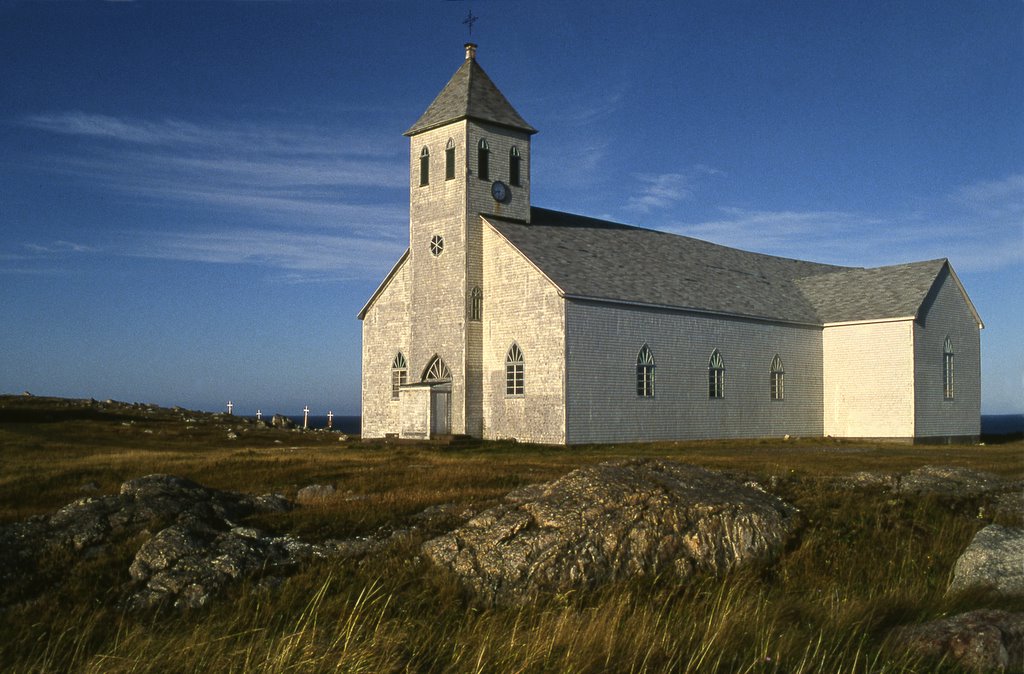
Notre Dame des Marins


The French dimension of Newfoundland's history is accentuated by the presence, 20 kilometres off the Burin Peninsula, of the French islands of St. Pierre and Miquelon. An important fishing base for centuries, the islands' population, and fishermen from France, have had a long and varied relationship with their neighbours in Newfoundland.


Ile aux Marins is a small island situated across from the harbour from St. Pierre. It used to be a fishing village of 600 souls but modern fishing techniques contributed to the gradual desertion of the community. Today, Ile aux Marins is a living museum and a unique window on the past. The dominant building on the island is a sun bleached church, Notre Dame des Marins. Built in 1874, it is still used for special services.


Saturday, March 04, 2006

Peter Pan, Bowering Park


On Feb. 23, 1918, the SS Florizel, a steel-hulled passenger ship owned by Bowring Brothers, foundered on the rocks off Cappahayden, on its way to Halifax and New York; 94 passengers and crew perished in the wreck, while only 44 were rescued. On board the Florizel when it sank were Sir Edgar Bowring’s stepson, John Shannon Munn, and his grand-daughter, four-year-old Betty Munn, both of whom were drowned.

In her memory, Bowring commissioned the British sculptor Sir George Frampton to duplicate a copy of his statue of Peter Pan which stands in Kensington Gardens, London. The replica in Bowring Park, unveiled on Aug. 29, 1925, bears the dedication “In memory of a little girl who loved the Park."

Thursday, March 02, 2006

Storm on Hawke Mountain


"A snowstorm is brewing up there
Where the mountain meets the sky."

Sunday, February 26, 2006

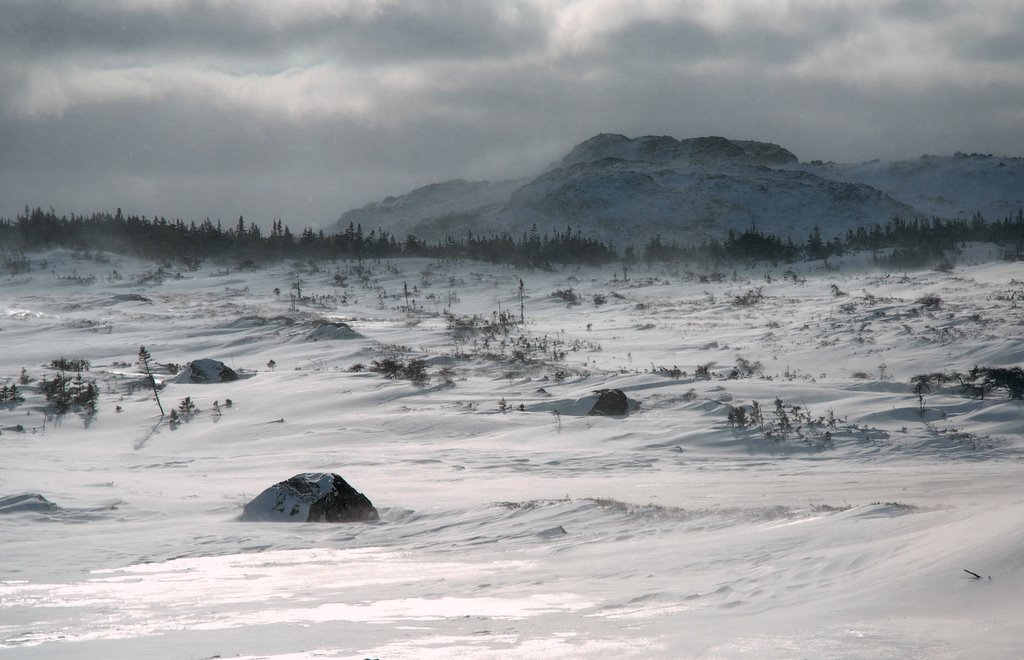
Sunday on the Frozen Barrens


The Barrens of Newfoundland occupy the interior on the summits of hills and ridges, and are elevated and exposed tracts. They are covered with a scrubby vegetation, berry bearing plants and dwarf bushes of various kinds. These barrens are the home of the Caribou, Ptarmigan and Snowshoe Hare and Moose are commonly seen traversing this lonely back country.

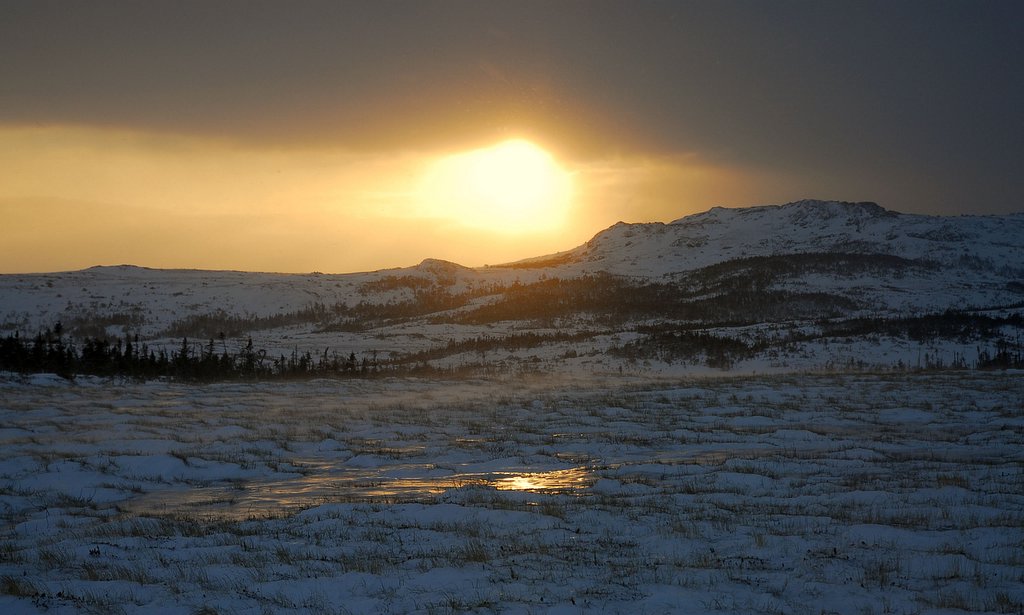
Winter Sunset in Hawke Hills


"the wind is cold

the sunset over snow

radiant

as though God or something celestial

were singing."
- Katrina Hall

End of Day in Hawke Hills


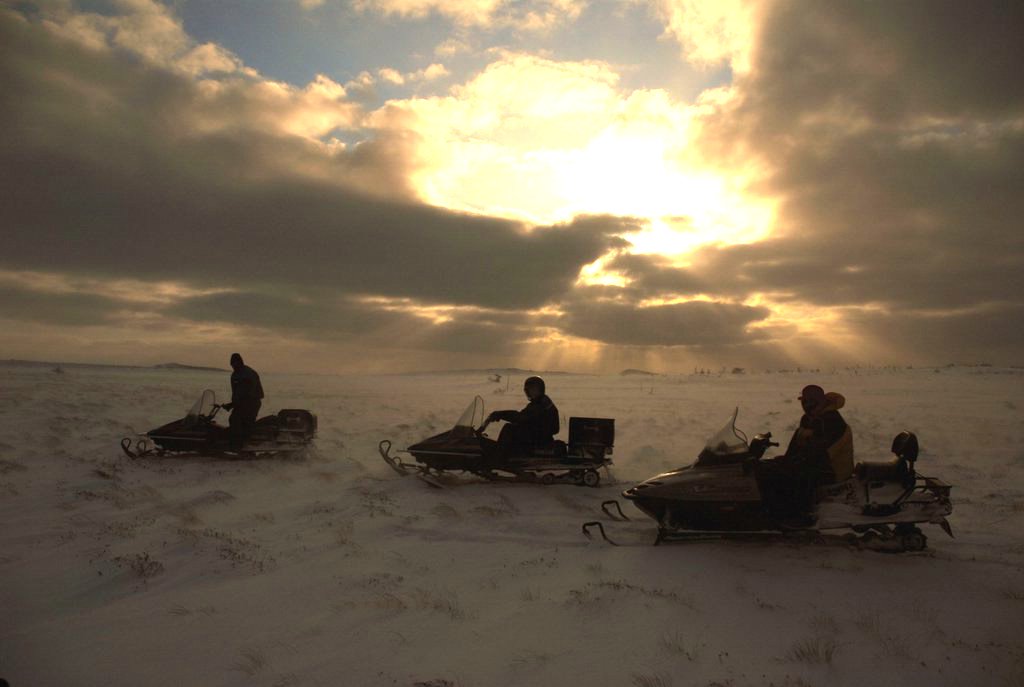
On Saturday the entire Avalon Peninsula experienced blizzard conditions with winds up to 120 km. per hour and 60 centimeters of snow. Sunday saw the neighborhood dig out from mountains of accumulated snow. I was able to take advantage of the new winter snowfall by venturing into Hawke Hills on snowmobile with friends to be rewarded by a glorious sunset over the hills.
Posted by Picasa

Saturday, February 25, 2006

Rapsody in Blue


Around 90% of the volume of an iceberg is under water which leads to the expression, "tip of the iceberg" generally applying to hidden trouble. This icy mass mass can be very hard and can easily damage sheet metal. Icebergs are therefore very hazardous to shipping. The most famous sinking from an iceberg collision was the destruction of the RMS Titanic on April 14th, 1912 off the south coast of NewfoundlandPosted by Picasa

Cod Jigging with Erin


The collapse of the groundfish stocks off Newfoundland's northeast coast led to a federally imposed "cod" moratorium throwing thousands of fishermen and plantworkers out of work. Before the fishing ban, Newfoundlanders in small open boats commonly landed cod on a jigger, a heavy unbaited double hook used on the island for over two hundred years. Today, jigging is now outlawed and there are fewer boats on the water. Ironically the large foreign fishing trawlers still scour the ocean bottom, fishing within Canada's 200 mile boundary limit.

Friday, February 24, 2006

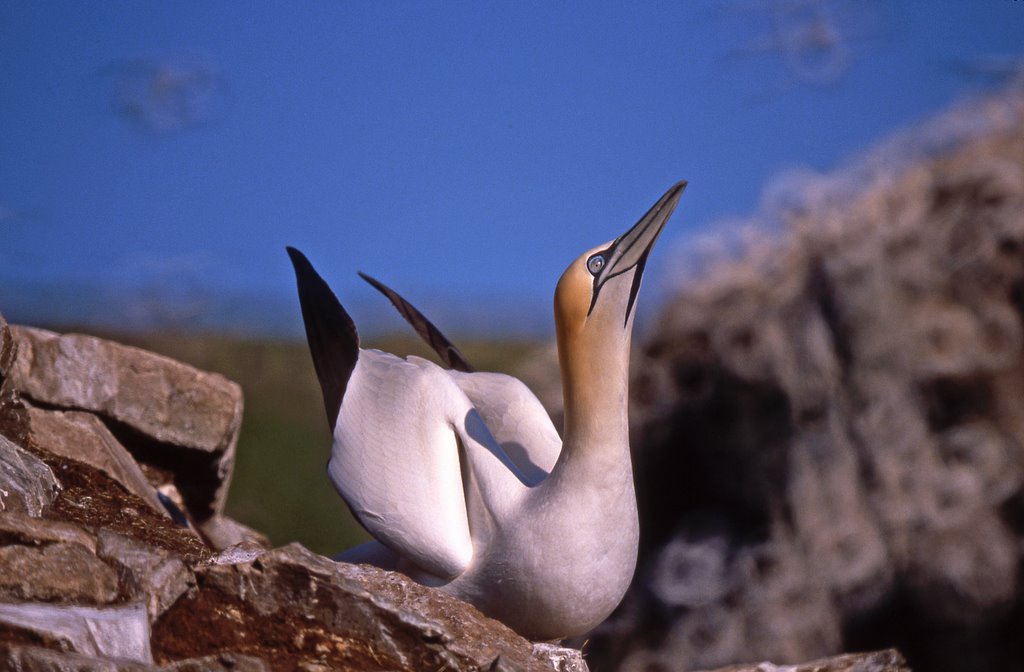
Sky-Pointing Gannet - Cape St. Mary's


Cape St, Mary's is a seabird sanctuary with the largest nesting colony of gannets in Newfoundland and the third largest in North America. There is no other place in North America where one can see more closely the courtship, nesting and the rearing behaviour of these magnificent birds. During the summer months the cliffs appear to coated in icing while being host to thousands of seabirds. Roger Tory Peterson, during one of his visits to the colony, remarked that "... the birds swirl past the cliffs like a blizzard of snow!"

Canada Rocks Finland for Gold

PINEROLO, Italy (CP) - Brad Gushue's rink won Canada's first Olympic gold medal in men's curling with a 10-4 victory in eight ends over Finland's Markku Uusipaavalniemi on Friday.

Gushue, third Mark Nichols, second Russ Howard and lead Jamie Korab played an aggressive game and broke the final open in the sixth end by scoring six for a 10-3 lead.

"I'm proud of the guys, it was a tough week but we did it," an emotional Gushue told CBC. "We struggled early but we brought it on."

Canada controlled the game early for a 4-3 lead after five ends. Two stellar takeouts by third Nichols in the sixth gave Canada control of the house.

Three cheers for our Newfoundland Team. Congratulations Brad, from all of us in Newfoundland. We're proud Newfoundlanders today . . .
Thursday, February 23, 2006

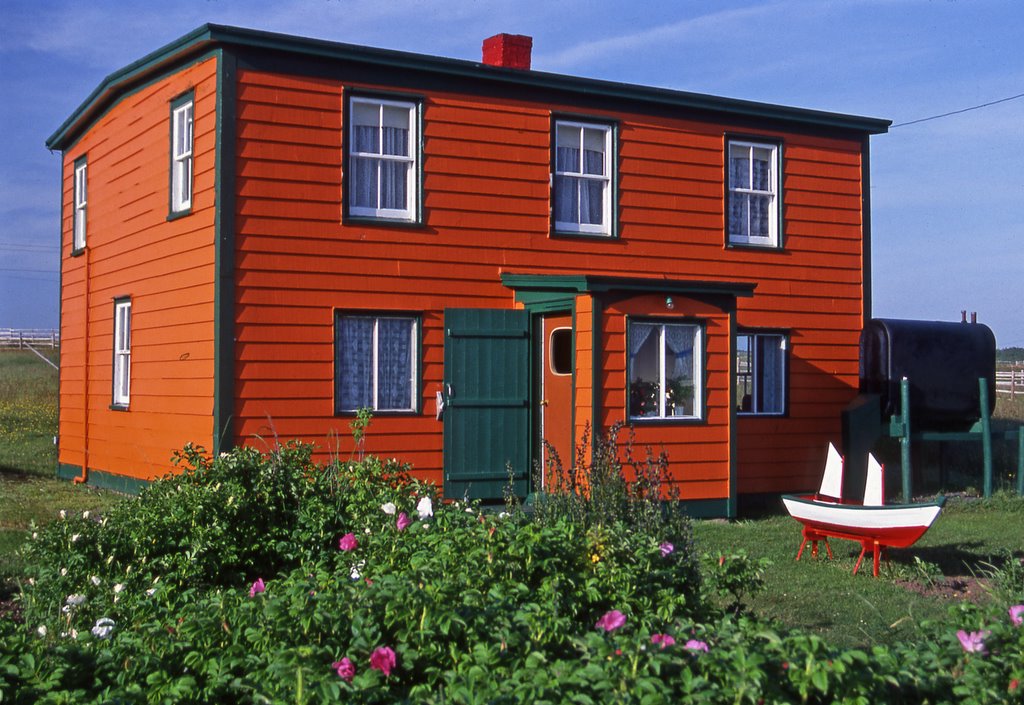
House of Orange - St. Bride's


"Strange is the orange you painted your house
How cheerful is it's colour !"

Wednesday, February 22, 2006

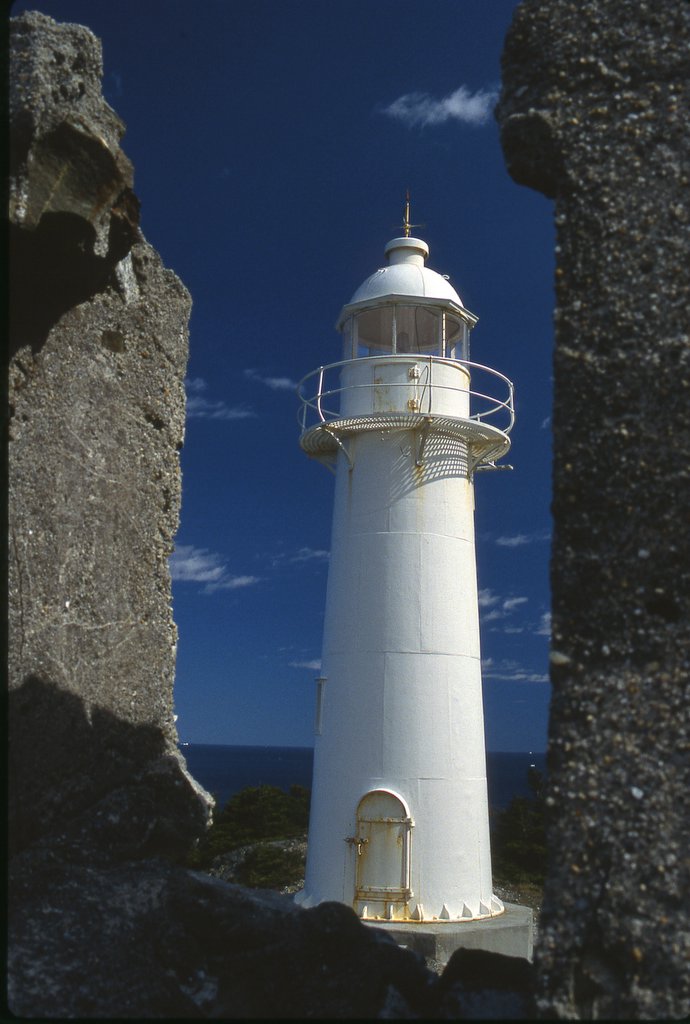
Lighthouse - Cape Spear


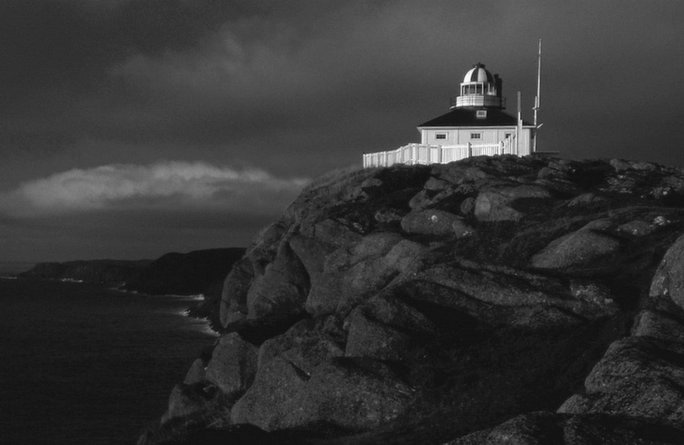
From the mid 1800s the lighthouse at Cape Spear has flashed its message from this rugged point of land, the most easterly point of North America. This was only the second light to offer aid along Newfoundland's rocky coasts, even though the island had at the time been populated for two centuries. Today, Parks Canada has restored the Cape Spear lighthouse to its original appearance and refurnished the light keepers's residence to the period of 1839. Cape Spear lighthouse is the oldest surviving lighthouse in Newfoundland.

Monday, February 20, 2006

Newfoundland Lynx in Winter


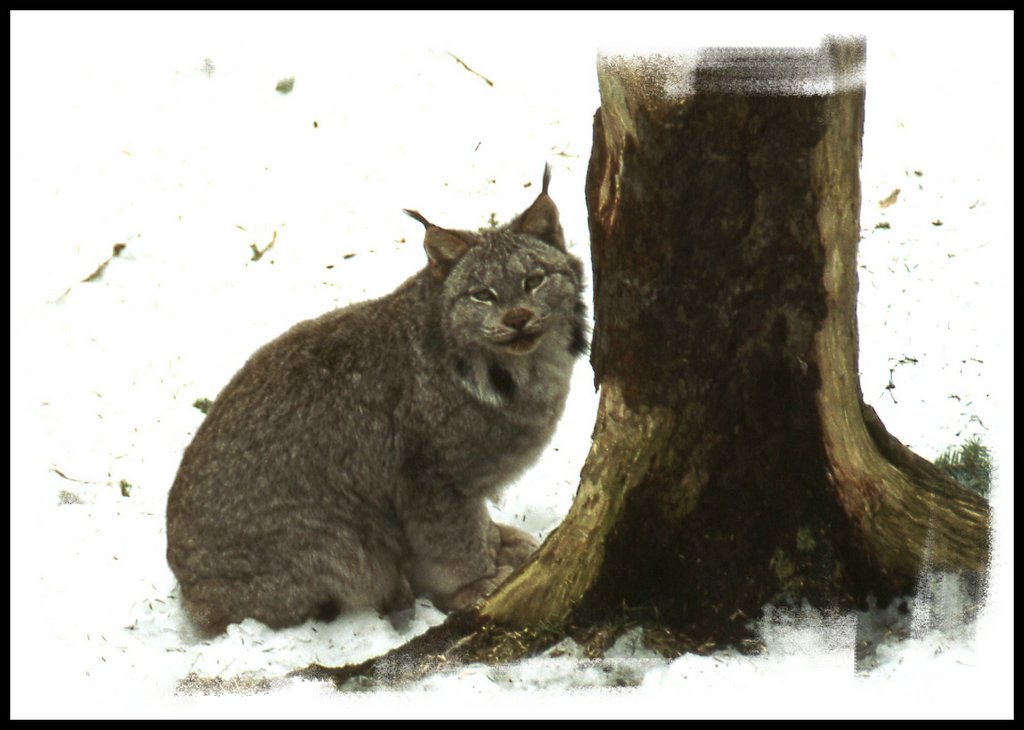
An inhabitant of the forested areas of Canada from Newfoundland to the Yukon, this member of the cat family is distinguished by a short body, long legs, large padded feet, and pointed ears tipped with long, black hair. They are nocturnal, solitary hunters. They appear shortly before dark and remain active until shortly after sunrise. Their main prey in Newfoundland is the Snowshoe Hare and so their numbers increase or decline with cyclic regularity in concert with the abundance or scarcity of the Snoeshoe population. Posted by Picasa

Cod Fishery - 1950's


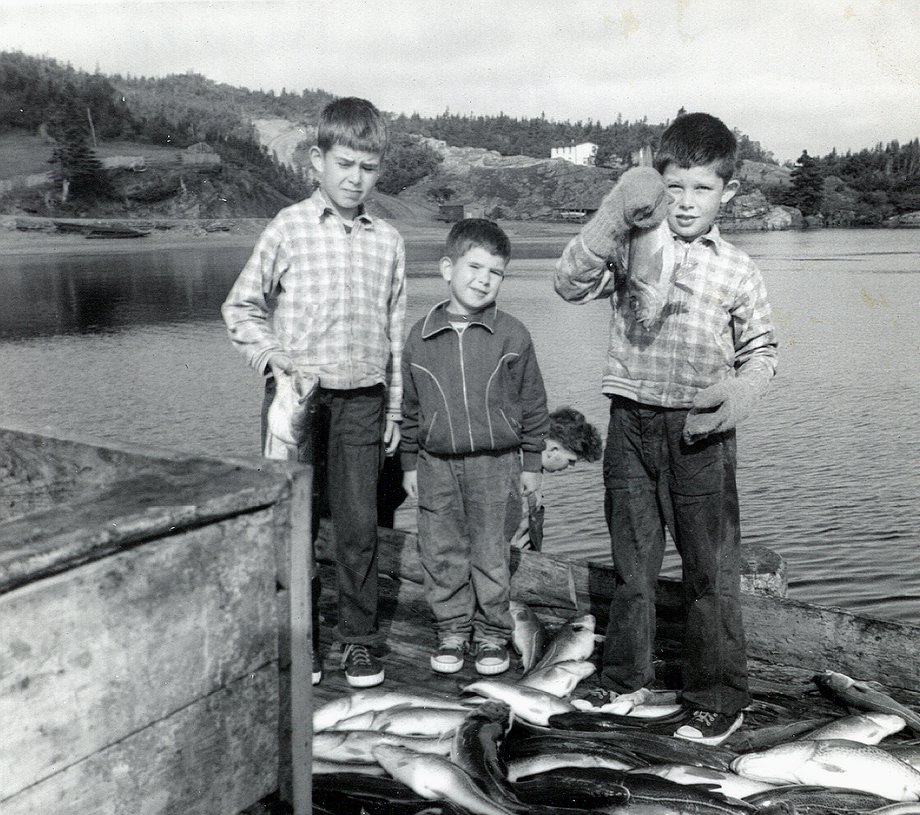
My father had a keen interest in family and photography . He captured his three sons, the "fishermen", at a time when the cod fishery was the livelihood for most families in rural Newfoundland. This nostalgic photo was taken in the late 1950's when we were visiting Uncle Bill and Aunt Rene in Long Beach, Trinity Bay . We were three brothers - John, Paul and Mike, one hot summer long ago. Incidently, I'm on the left, with the codfish. Posted by Picasa

Sunday, February 19, 2006

North Head Lighthouse - Bay Bulls


"The lighthouse looked battered, but still stood firm and strong,
Right out at the last point of land just where it should belong,
Now electric lights rotate the warning of treacherous shore,
Not with a real lighthouse keeper, like in the days of yore.

There was a warm gentle zephyr softly wafting all around,
It rustled the many wild flowers and grass, a haunting sound,
Twas like the laughter of children playing on a sunny day,
Mixed with the cry of the sea birds who lived not far away.

There was a solid foundation where a house once stood,
Gone had all the traces of windows, tiles or old wood,
But what was left behind were plants from a garden fair,
Chives, lavender, raspberries and iris still growing there.

You could feel many emotions in that very lonely place,
Surrounded on all sides by nature's beauty and grace,
We wanted to stay there and wander around for awhile,
We bade adieu to all the beauty, remembering it with a smile."

- Ann Margetson Posted by Picasa

Saturday, February 18, 2006

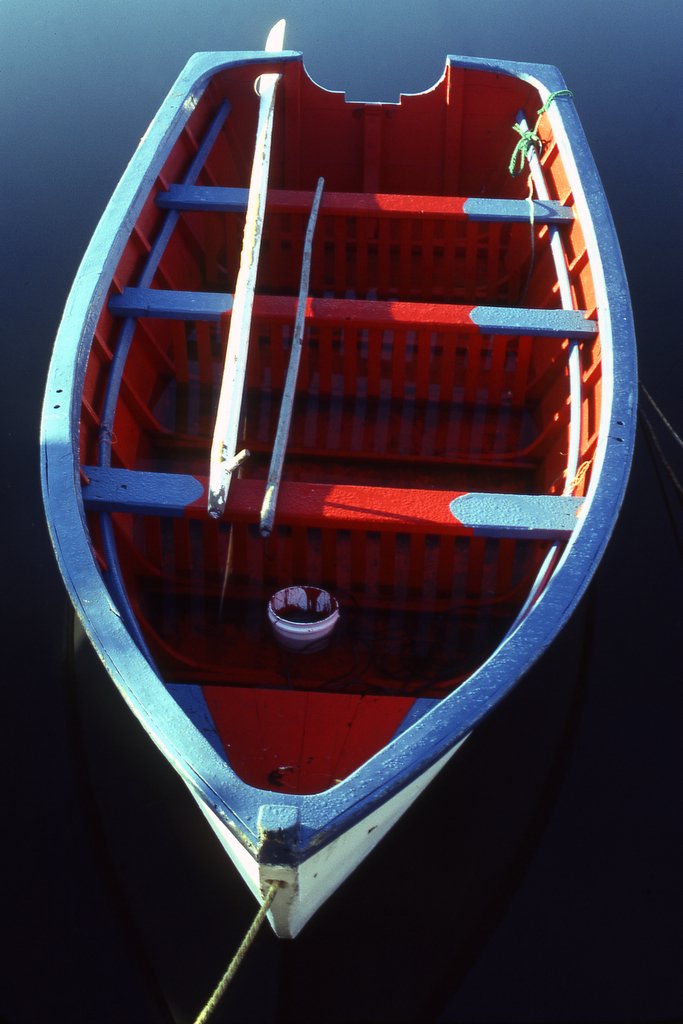
The Red Boat

 Posted by Picasa

Sunset at St. Bride


The long summer days often bring evening skies awash with brilliant reds, orange and yellows. At St. Bride nature's masterpiece is rendered.

"Sky splashed with color,
At dusk.
Soft hues blend together
To create a silent painting.
A crescendo of golden rays
Sweep the sky.
Subtle expressions;
Slowly,
Fade behind the distant clouds.
Nature holds its breath,
As the sun,
Slowly and silently,
Slinks below the horizon,
And the sky is left;
Featureless and dark."

- R. G., Pascoag, RI

Friday, February 17, 2006

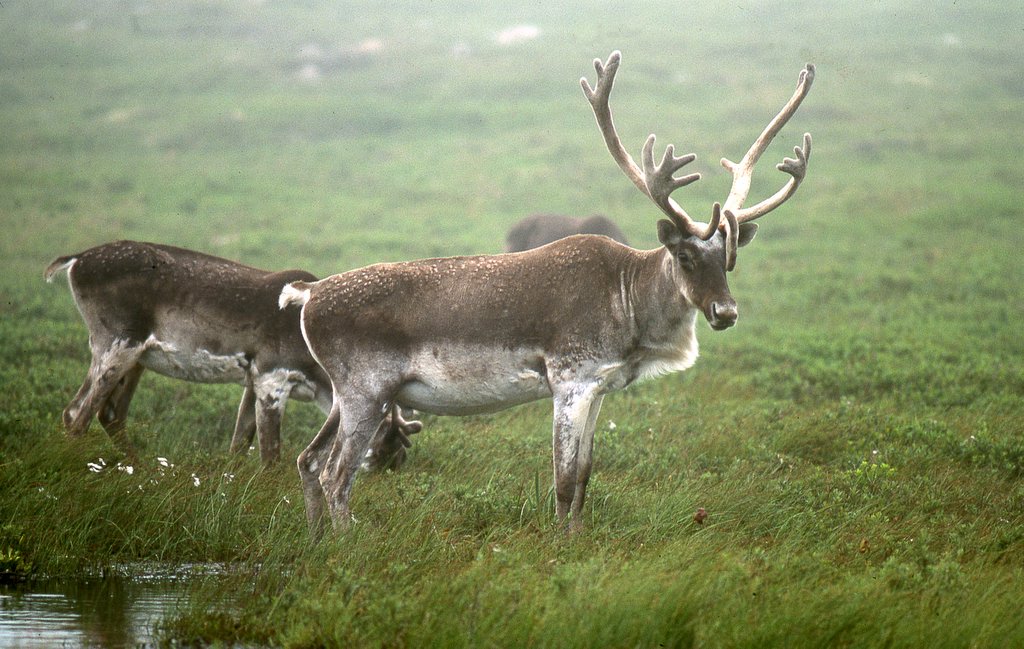
Monarch of the Wild - Avalon


With its dense stands of mature spruce forests, abundant supply of lichens and low-growing shrubs, and balanced blend of uplands, lowlands and wetlands, the Avalon Peninsula once provided an ideal habitat for caribou. Unfortunately this herd has been decimated by coyote predation and natural disease. Within 2 hours drive of St. John's one would often see these monarchs of the wild by the roadside. Other areas of the province of Newfoundland still host the world's most southerly herd of woodland caribou, one of 7 subspecies of caribou found worldwide.
Posted by Picasa

Kestrel


Posted by Picasa

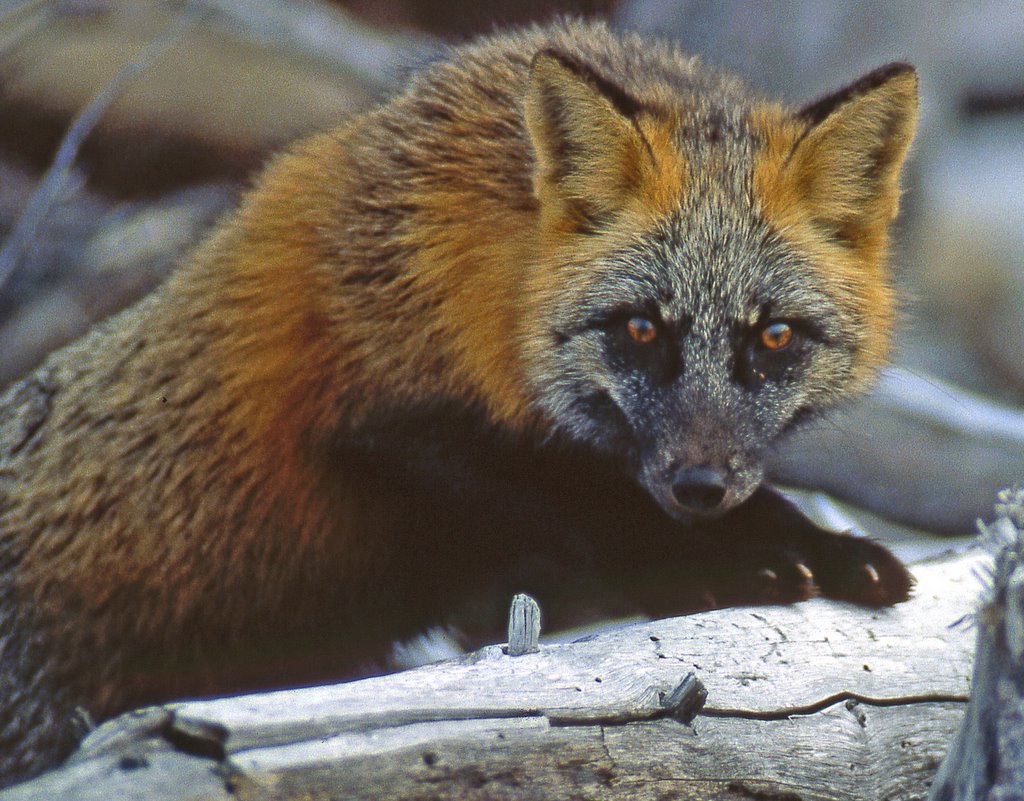
Red Fox - Vulpes Vulpes


The Red Fox (Vulpes Vulpes) is native to the province and is found throughout Newfoundland in a wide variety of habitats,and often seen in areas frequented by humans. They resemble a small slender dog and range in size from 3.6 to 6.8 kg. Newfoundland's Red Fox comes in a range of colours- red, black, silver, yellowish, and a mixture of colours called a patch phase. This little fellow was photographed some years ago on Buchan's Plateau .
Sunday, February 12, 2006

Winter in Hawke Hills


"During the winter I am content--or try to think I am. For all practical purposes nature is at a standstill. . . . there is a wonderful joy in leaving behind the noisy city streets and starting out along the white road that leads across the hills. With each breath of the sharp, reviving air one seems to inhale new life. A peace as evident as the sunshine on the fields takes possession of one's inner being. The trivial cares which fretted like a swarm of mosquitoes are driven away by the first sweep of wind that comes straight from the mountains. . . . The intense silence that broods over the snow-bound land is a conscious blessing. The deep blue of the sky and the purple shadows cast by the trees and plants are a feast to the eye. The crunch of the snow-rind beneath our feet .... is music to our ears. "

- Frances Theodora Parsons
Posted by Picasa

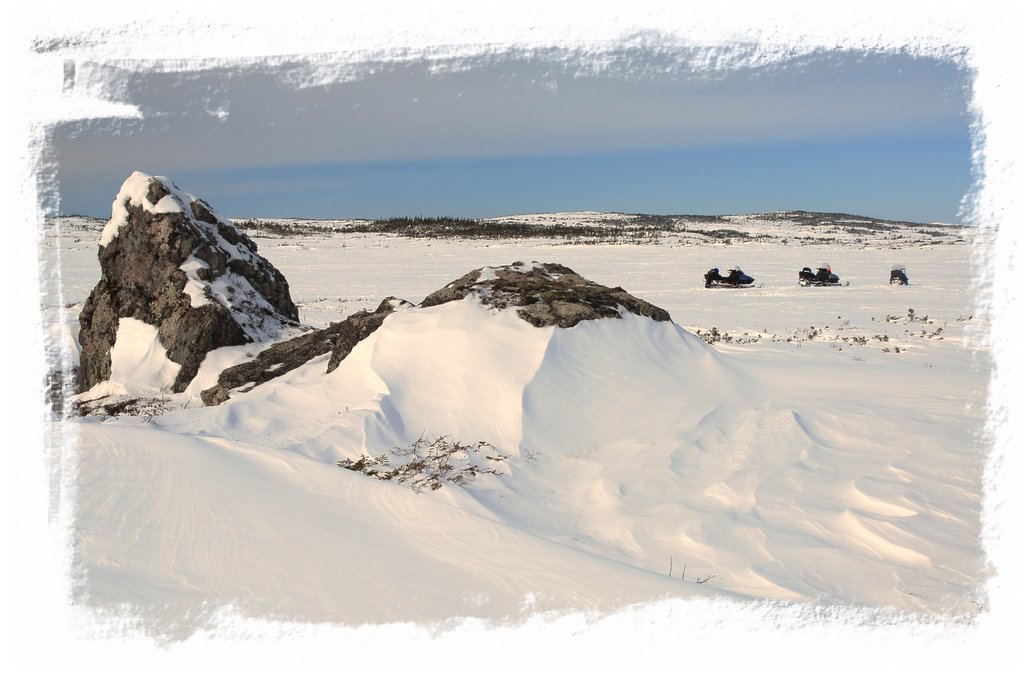
Snowmobiles - Hawke Hills

Snowmobiling in Hawkes Hills today - two recent snow storms have made these barrens accessible after unseasonable warm temperatures in December and January. Temperatures today ranged -4 degrees Celius and the day was sunny We did a little ice fishing, had a "boil up"and of course I treked on snowshoes looking for photo opportunities. Posted by Picasa